The Indian pharmaceutical industry has emerged as one of the most powerful contributors to the global healthcare sector. Currently valued at around US$55 billion, the industry is expected to reach US$120–130 billion by 2030, reflecting rapid growth driven by innovation, research, and global demand for affordable medicines. One of the biggest factors behind this growth is the export of pharmaceutical products from India to international markets.
India is often referred to as the “Pharmacy of the World” because of its ability to supply high-quality and cost-effective medicines globally. Pharmaceutical exporters in India strictly follow international standards and regulatory guidelines to ensure safety, quality, and effectiveness. The export process is monitored by the Drug Controller General of India (DCGI) under the Central Drugs Standard Control Organisation (CDSCO).
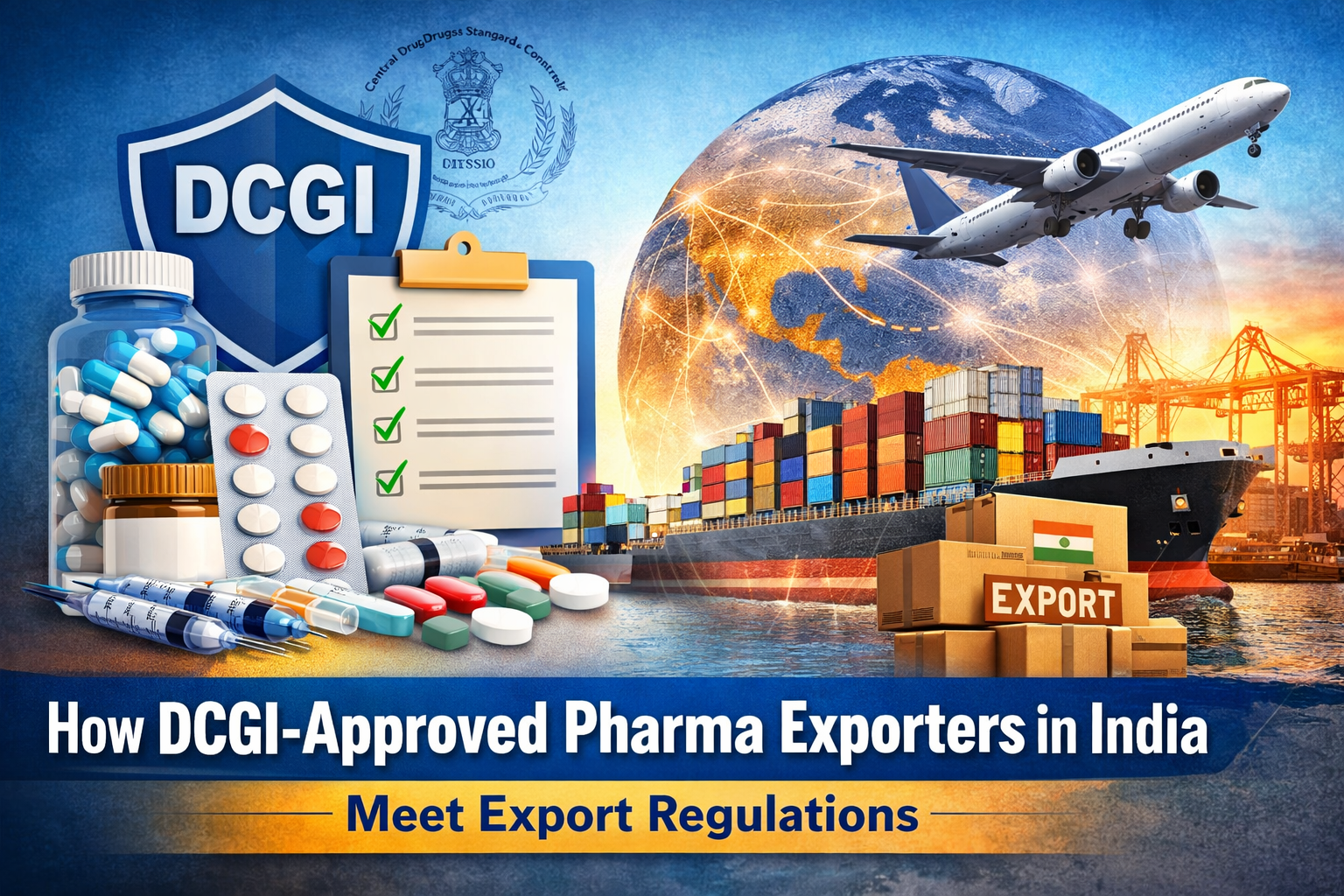
DCGI-approved pharmaceutical exporters meet export regulations by complying with Good Manufacturing Practices (GMP), maintaining transparent documentation, following global quality standards, and obtaining the necessary No Objection Certificates (NOC) for international shipments.
What Type of Pharma Products Can Be Exported from India by a PCD Pharma Company?
PCD (Propaganda Cum Distribution) pharma companies in India have the capability to manufacture and export a wide range of pharmaceutical formulations. These companies serve both domestic and international markets by supplying high-quality medicines that meet global regulatory standards.
Most Indian pharmaceutical exporters focus on emerging markets such as Asia, Africa, Latin America, and the Middle East, where the demand for affordable and effective medicines is rapidly increasing.
The commonly exported pharmaceutical products include:
-
Tablets and capsules
-
Syrups and suspensions
-
Injectables and infusions
-
Ointments and creams
-
Dry syrups and sachets
-
Nutraceutical supplements
-
Herbal and Ayurvedic formulations
Before exporting, companies ensure they have the necessary certifications such as DCGI/CDSCO approvals, WHO-GMP certification, and ISO standards, which validate the safety and quality of their products.
A Glimpse at Pharma Products That Are in High Demand Across International Borders
Indian pharmaceutical manufacturers are supported by government initiatives, advanced research, and modern manufacturing technologies. This enables them to produce a wide variety of medicines that are widely demanded in global markets.
Below are some of the most demanded pharmaceutical categories exported from India.
Generic Medicines and Formulations
Generic medicines are one of the largest segments of pharmaceutical exports from India. Due to increasing healthcare costs worldwide, many countries prefer affordable generic medicines produced by Indian manufacturers.
These formulations include:
-
Antibiotics
-
Antidiabetic medicines
-
Cardiovascular drugs
-
Pain management medicines
Indian pharmaceutical exporters ensure that these medicines comply with global safety standards and regulatory guidelines, making them trusted in many countries.
Chronic Disease Medications
Chronic diseases such as cancer, HIV/AIDS, diabetes, and cardiovascular disorders are increasing globally. As a result, the demand for effective medications is continuously rising.
Indian pharmaceutical companies are known for developing high-quality formulations for chronic disease management. Many exporters supply antiviral drugs, oncology medicines, and long-term treatment formulations that help improve patient outcomes across international markets.
Nutraceuticals and Health Supplements
The global wellness trend has significantly increased the demand for nutraceutical products and dietary supplements. People today focus on maintaining a healthy lifestyle through fitness, nutrition, and preventive healthcare.
Pharmaceutical exporters in India manufacture and export products such as:
-
Multivitamin supplements
-
Protein powders
-
Mineral supplements
-
Immunity boosters
These products help consumers maintain overall health and address nutritional deficiencies.
International Standardized Derma Products
Dermatology products are another high-demand category in global pharmaceutical trade. Indian pharmaceutical manufacturers specialize in producing safe and effective dermatological formulations that are widely accepted in international markets.
Commonly exported derma products include:
-
Medicated soaps
-
Skin creams and lotions
-
Anti-fungal and anti-bacterial creams
-
Dermatological shampoos
These products are developed using advanced formulations that are skin-friendly and clinically tested.
Ayurvedic and Herbal Products
India has a rich heritage of Ayurvedic medicine and herbal healthcare solutions. With the growing popularity of natural and organic products worldwide, Ayurvedic medicines have gained immense demand in international markets.
Pharmaceutical exporters manufacture and supply products such as:
-
Herbal syrups
-
Ayurvedic capsules
-
Natural immunity boosters
-
Herbal health supplements
These formulations combine traditional Ayurvedic knowledge with modern pharmaceutical technology to deliver safe and effective healthcare solutions.
Infusions and Injectables
In many medical situations, oral medicines are not sufficient for treatment. In such cases, injectables and intravenous infusions are essential for delivering medicines directly into the bloodstream.
Recognizing the global demand, Indian pharmaceutical exporters produce and supply:
-
Injectable medicines
-
Intravenous (IV) infusions
-
Eye and ear drops
-
Sterile liquid injections
These products are manufactured in highly controlled sterile environments to ensure patient safety.
How DCGI-Approved Pharmaceutical Exporters in India Meet Export Regulations
The pharmaceutical export process in India is regulated by DCGI and CDSCO, which ensure that exported medicines meet both national and international standards.
Below are the key steps pharmaceutical exporters follow to comply with export regulations.
1. Obtaining Manufacturing Licenses
Pharmaceutical manufacturers must obtain valid manufacturing licenses such as Form 25 or Form 28 under the Drugs and Cosmetics Act. These licenses confirm that the company is authorized to manufacture pharmaceutical products.
Additionally, companies must comply with Good Manufacturing Practices (GMP) to ensure consistent product quality.
2. No Objection Certificate (NOC)
Before exporting pharmaceutical products, exporters must obtain a No Objection Certificate (NOC) from the Drug Controller General of India. This certification confirms that the products meet all regulatory and safety requirements for export.
3. Documentation through the SUGAM Portal
The SUGAM portal, managed by CDSCO, is used for submitting all export-related documentation. Exporters must upload details such as:
-
Purchase orders
-
Product information
-
Invoices and shipping documents
-
Regulatory approvals
This digital system ensures transparency and proper tracking of pharmaceutical exports.
4. Proper Labeling and Packaging
Correct labeling and packaging play a critical role in pharmaceutical exports. Every product must clearly mention:
-
Ingredients and composition
-
Manufacturing and expiry date
-
Dosage instructions
-
Batch number and safety information
Proper packaging ensures product safety during international transportation.
5. Approval for Special Products
In certain cases, a drug may be banned in India but permitted in another country. For such products, exporters must obtain approval from the respective foreign regulatory authorities before shipping them.
Conclusion
The pharmaceutical export sector is one of the strongest pillars of India’s healthcare economy. By maintaining strict regulatory compliance and adhering to global manufacturing standards, Indian pharmaceutical exporters have built strong trust among international buyers.
For entrepreneurs looking to enter the pharmaceutical business, understanding the export ecosystem is essential. Many businesses explore opportunities through franchise models offered by the top pharma franchise company in India, which allow them to distribute high-quality medicines in different markets.
Additionally, exploring the Benefits of Starting PCD Pharma Franchise in India can help investors understand the potential of this rapidly expanding industry. If you are evaluating franchise opportunities, you may also want to learn Which Pharma Franchise is Best in India to make an informed business decision.
Companies like DM Pharma Global are contributing to the industry by maintaining high manufacturing standards and supporting the growing demand for pharmaceutical products in both domestic and international markets.
FAQ Section
What is DCGI in the pharmaceutical industry?
DCGI stands for Drug Controller General of India. It is the regulatory authority responsible for approving pharmaceutical drugs, monitoring safety, and regulating the export and manufacturing of medicines in India under the CDSCO.
What regulations must pharma exporters in India follow?
Pharma exporters in India must follow several regulations including WHO-GMP guidelines, DCGI approvals, CDSCO regulations, proper documentation through the SUGAM portal, and obtaining a No Objection Certificate (NOC) before exporting pharmaceutical products.
Which pharmaceutical products are commonly exported from India?
India exports a wide variety of pharmaceutical products including generic medicines, tablets, capsules, syrups, injectables, dermatology products, nutraceutical supplements, herbal medicines, and intravenous infusions to global markets.
Why is India considered a global pharmaceutical exporter?
India is considered a global pharmaceutical exporter because it provides high-quality medicines at affordable prices. Indian pharma companies follow strict regulatory standards and supply medicines to more than 200 countries worldwide.
What documents are required for pharmaceutical exports from India?
Important documents required for pharma exports include manufacturing licenses, product registration certificates, purchase orders, invoices, batch details, quality certifications, and DCGI NOC approvals.