
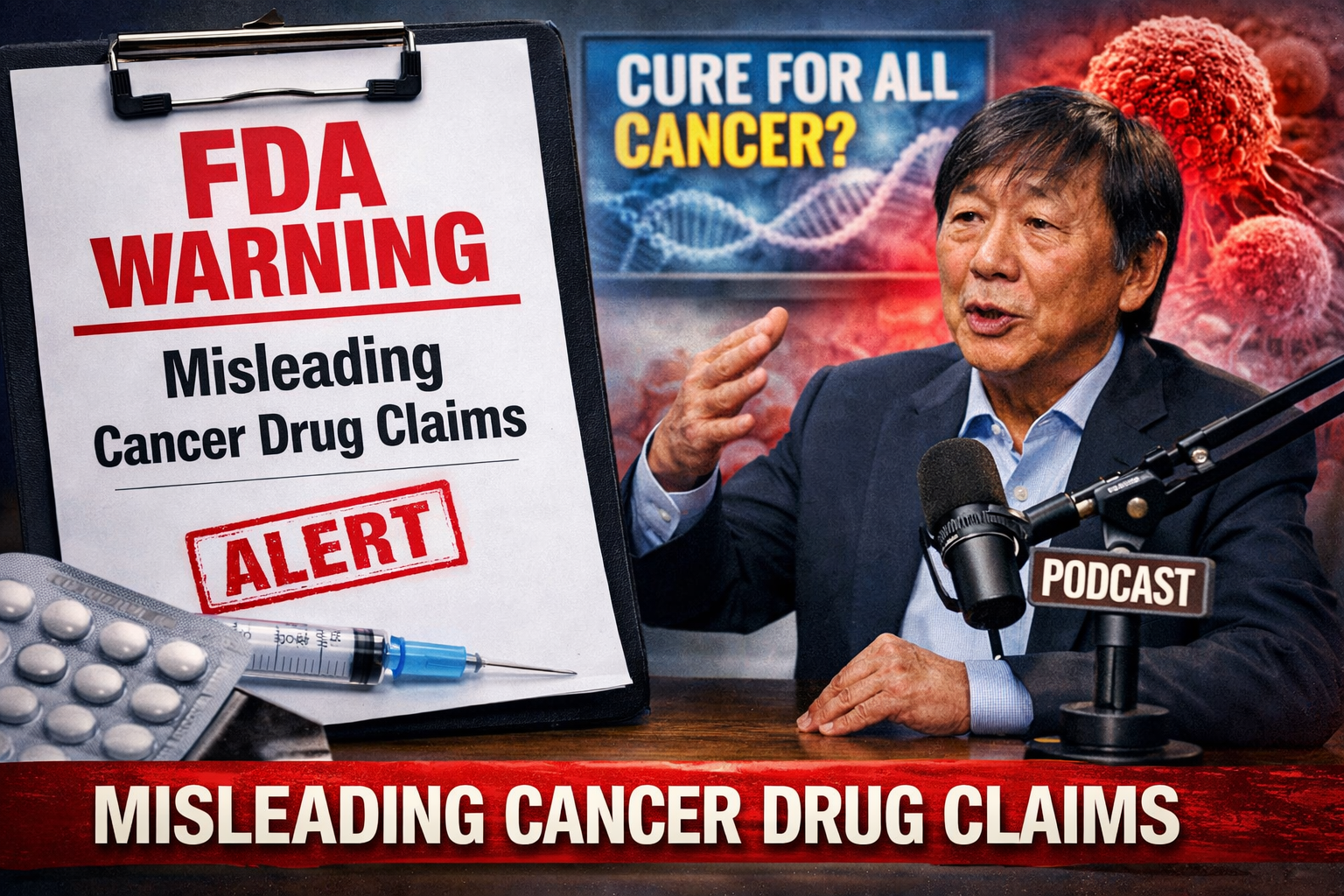
The pharmaceutical industry operates under strict regulatory frameworks to ensure that drug promotion remains accurate, balanced, and safe for patients. A recent action by a major health regulator in the United States has once again highlighted the importance of compliance in drug marketing. Authorities have issued a warning over misleading promotional claims related to a cancer drug, raising serious concerns about how medicines are advertised to the public.
What Triggered the Regulatory Warning?
Health officials flagged statements made during a television advertisement and a podcast episode, where a cancer drug was promoted with claims that went beyond its approved use. The drug, which had been officially cleared for a specific type of cancer, was described as having the potential to treat, cure, or even prevent multiple forms of cancer.
Such claims immediately attracted regulatory scrutiny because they exceeded scientifically validated evidence and were not supported by approved clinical data.
Understanding Drug Approval and Indications
Every pharmaceutical product is approved for specific medical conditions, known as indications. These approvals are based on extensive clinical trials that evaluate safety, efficacy, and risk factors.
Key Principles of Drug Approval:
- Approval is limited to tested conditions only
- Expansion to new diseases requires fresh clinical trials
- Claims must strictly align with regulatory approvals
- Any deviation is considered misleading promotion
Promoting a drug for unapproved uses—also known as off-label promotion—is heavily regulated and often prohibited in public communications.
Misleading Claims and Their Risks
The statements in question reportedly positioned the drug as a universal cancer treatment and even suggested preventive capabilities. These types of claims can have far-reaching consequences.
Why Misleading Claims Are Dangerous:
- False Hope for Patients: Cancer patients may rely on unproven treatments
- Delayed Proper Treatment: Patients might avoid approved therapies
- Erosion of Trust: Public confidence in the healthcare system declines
- Legal and Financial Risks: Companies face penalties and reputational damage
In critical fields like oncology, even minor misinformation can lead to serious health outcomes.
Lack of Risk Disclosure: A Major Concern
Another major issue highlighted by regulators was the absence of risk-related information in promotional content. Pharmaceutical marketing must always present a balanced view, including both benefits and potential side effects.
Common Side Effects That Must Be Disclosed:
- Infections
- Pain and inflammation
- Fever or chills
- Other clinically observed adverse effects
Failure to disclose such risks violates regulatory standards and misleads patients about the drug’s safety profile.
The Role of Media in Drug Promotion
Modern pharmaceutical marketing extends beyond traditional advertisements. Podcasts, interviews, and digital platforms are increasingly used to promote medical innovations. However, these channels are still subject to the same regulatory rules.
Emerging Challenges:
- Informal communication formats like podcasts
- Direct statements from company executives
- Lack of regulatory oversight in real-time content
- Rapid spread of information through social media
This case demonstrates that all forms of communication—formal or informal—must comply with regulatory guidelines.
Regulatory Response and Industry Impact
Regulators have given the concerned company a limited timeframe to correct the misleading statements and submit a formal response. Such actions are part of a broader effort to ensure transparency and accountability in pharmaceutical communications.
Potential Consequences for Non-Compliance:
- Financial penalties
- Product promotion restrictions
- Decline in investor confidence
- Loss of market credibility
In fact, market reactions to such warnings can be immediate, reflecting investor concerns about regulatory risks.
Why Compliance Matters in Pharma Marketing
Pharmaceutical marketing is not just about promoting products—it is about educating healthcare professionals and patients responsibly.
Core Compliance Requirements:
- Claims must be evidence-based
- Risks and benefits must be equally highlighted
- No exaggeration of outcomes
- Clear distinction between approved and experimental uses
Maintaining compliance helps protect both patients and the integrity of the healthcare system.
Lessons for the Pharmaceutical Industry
This incident serves as a critical reminder for companies operating in the healthcare sector.
Key Takeaways:
- Always align marketing with approved indications
- Avoid speculative or exaggerated claims
- Ensure all communications include risk disclosures
- Monitor executive statements in public platforms
- Strengthen internal compliance and legal review systems
Companies must adopt a proactive compliance strategy to avoid regulatory action.
Future Outlook: Stricter Oversight Ahead
Regulatory authorities are increasingly monitoring not just traditional advertisements but also digital and conversational media. As pharmaceutical marketing evolves, so will the scrutiny.
The industry can expect:
- Tighter regulations on digital promotions
- Increased monitoring of executive communications
- Stronger enforcement actions
- Greater emphasis on transparency
This shift will push companies to adopt more ethical and patient-centric communication practices.
Conclusion
The recent regulatory warning over misleading cancer drug claims underscores the critical importance of accuracy and transparency in pharmaceutical marketing. While innovation in drug development continues to advance, communication about these innovations must remain grounded in verified science.
For the pharmaceutical industry, the message is clear: credibility is as important as innovation. Ensuring responsible marketing practices is not just a legal obligation—it is essential for patient safety and long-term trust.