
Inflation has emerged as one of the most critical economic factors influencing industries worldwide, and the pharmaceutical sector is no exception. From increasing raw material costs to higher logistics expenses, inflation is reshaping how drug manufacturing companies, medicine production company networks, and pharma drug company operations function. As costs continue to rise, businesses must adapt their strategies to maintain profitability while ensuring affordability for patients.
Understanding Inflation in the Pharma Sector
Inflation in the pharmaceutical industry refers to the rising cost of production, distribution, and operations involved in manufacturing medicines. Unlike other industries, pharma companies must balance cost increases with strict regulatory controls and pricing limitations.
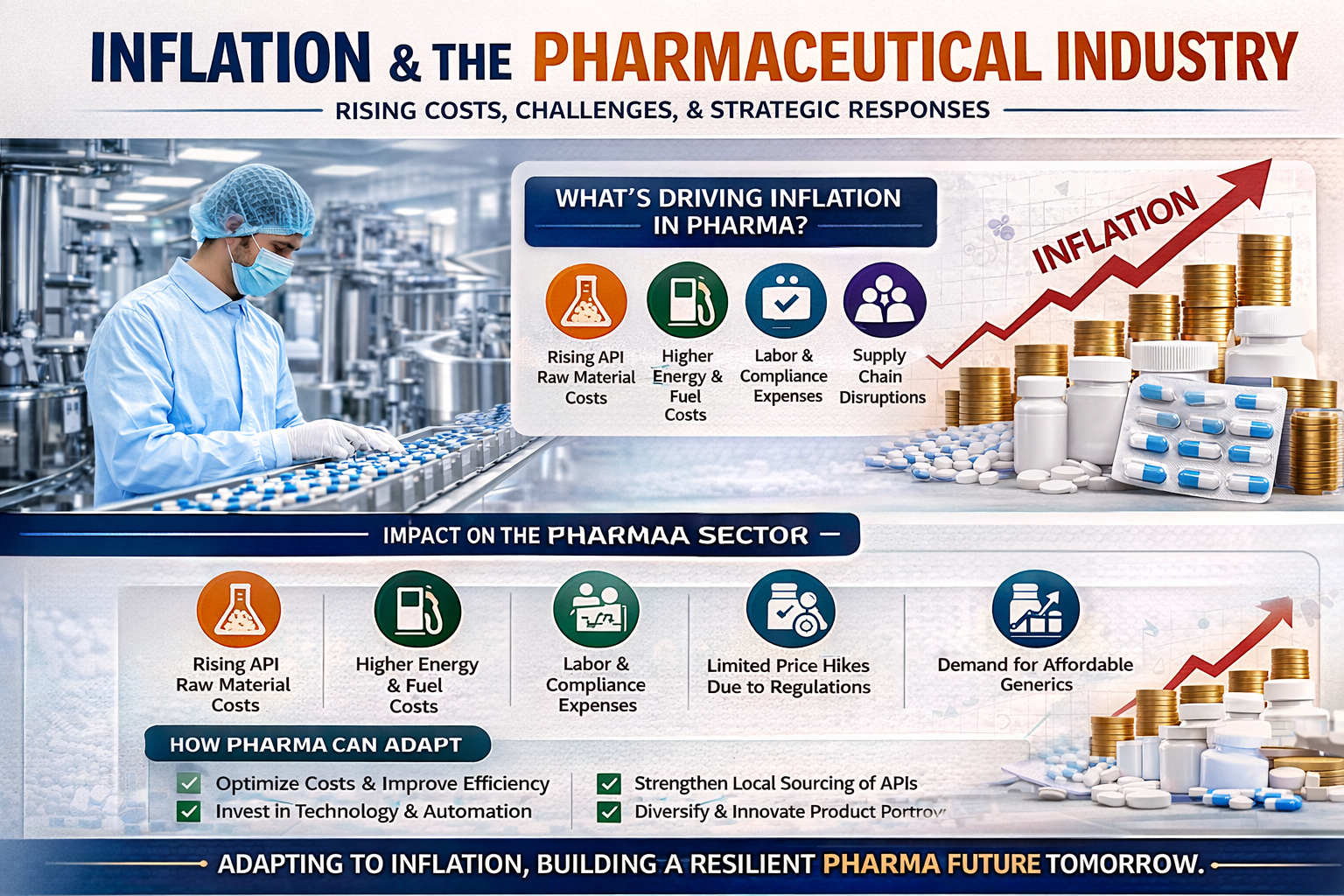
Key Contributors to Inflation:
- Rising prices of Active Pharmaceutical Ingredients (APIs)
- Increased energy and fuel costs
- Higher labor and compliance expenses
- Supply chain disruptions
These factors collectively impact the overall efficiency and profitability of indian drugs company ecosystems.
Impact on Drug Manufacturing Companies
For drug manufacturing companies, inflation directly affects production costs. APIs, which form the backbone of medicines, have seen significant price increases in recent years.
Major Effects:
- Increased cost of raw materials
- Reduced profit margins
- Delays in production cycles
- Pressure to optimize operations
As a result, companies are now focusing on cost-efficient manufacturing techniques and local sourcing strategies to reduce dependency on imports.
Pressure on Medicine Production and Pricing
One of the biggest challenges inflation creates is maintaining a balance between affordability and profitability. A medicine production company cannot freely increase prices due to regulatory restrictions and market competition.
Outcomes:
- Limited price hikes despite rising costs
- Increased competition among top 10 pharmaceutical companies in India
- Greater focus on high-volume, low-margin products
This scenario forces companies to innovate and find alternative ways to sustain growth.
Opportunities for Indian Pharma Companies
Despite challenges, inflation is also creating opportunities, especially for top indian pharmaceutical companies.
Growth Drivers:
- Increased demand for cost-effective generic medicines
- Expansion in domestic and semi-regulated markets
- Strengthening of local manufacturing capabilities
India’s ability to produce affordable medicines gives it a competitive edge, positioning it among the top 10 healthcare company in India rankings.
Rising Demand for PCD Pharma Franchise Model
Inflation has made the PCD pharma franchise model more attractive for entrepreneurs and businesses.
Why It’s Growing:
- Lower investment compared to full-scale manufacturing
- Reduced operational risks
- Opportunity to collaborate with top 10 PCD pharma companies in India
For individuals searching for pharmaceutical companies near me, the franchise model provides an accessible entry point into the pharma business.
Regional Impact: Chandigarh Pharma Market
The pharmaceutical industry in Chandigarh is also experiencing the effects of inflation. As a growing pharma hub, the region is seeing both challenges and opportunities.
Key Developments:
- Rising operational costs for pharmaceutical company in Chandigarh setups
- Increased demand for third-party manufacturing
- Growth in distribution and franchise networks
Despite cost pressures, the region continues to attract businesses due to its strategic location and infrastructure.
Strategic Adaptation by Pharma Companies
To tackle inflation, companies are adopting several strategies:
1. Cost Optimization
Improving operational efficiency and reducing wastage.
2. Local Sourcing
Reducing dependency on imported raw materials.
3. Digital Transformation
Using technology to streamline supply chain and marketing.
4. Portfolio Diversification
Focusing on high-demand therapeutic segments.
These approaches help pharma drug company operations remain competitive in a challenging economic environment.
Challenges That Still Remain
While strategies are evolving, inflation continues to pose risks:
- Unpredictable raw material price fluctuations
- Currency exchange volatility affecting imports
- Regulatory pricing controls limiting flexibility
- Increased competition in generic markets
These challenges require continuous monitoring and strategic planning.
Future Outlook of the Pharmaceutical Industry
The pharmaceutical industry is expected to remain resilient despite inflationary pressures. Companies that can balance cost control with innovation will lead the market.
Emerging Trends:
- Growth in domestic manufacturing
- Increased focus on affordable healthcare
- Expansion of drug manufacturing companies into global markets
- Strengthening of supply chain infrastructure
India, with its strong manufacturing base, is well-positioned to continue its growth trajectory.
Conclusion
Inflation is undoubtedly a major disruptor, but it is also a catalyst for transformation in the pharmaceutical sector. While rising costs are putting pressure on medicine production company operations and drug manufacturing companies, they are also driving innovation, efficiency, and strategic growth.
For businesses and entrepreneurs, this is a crucial time to explore opportunities with top indian pharmaceutical companies and adapt to changing market dynamics. Whether you are part of a pharma drug company or looking to collaborate with pharmaceutical companies near me, understanding inflation trends will help you make smarter, future-ready decisions.
In the long run, companies that focus on efficiency, affordability, and scalability will emerge as leaders in the evolving pharmaceutical landscape.