
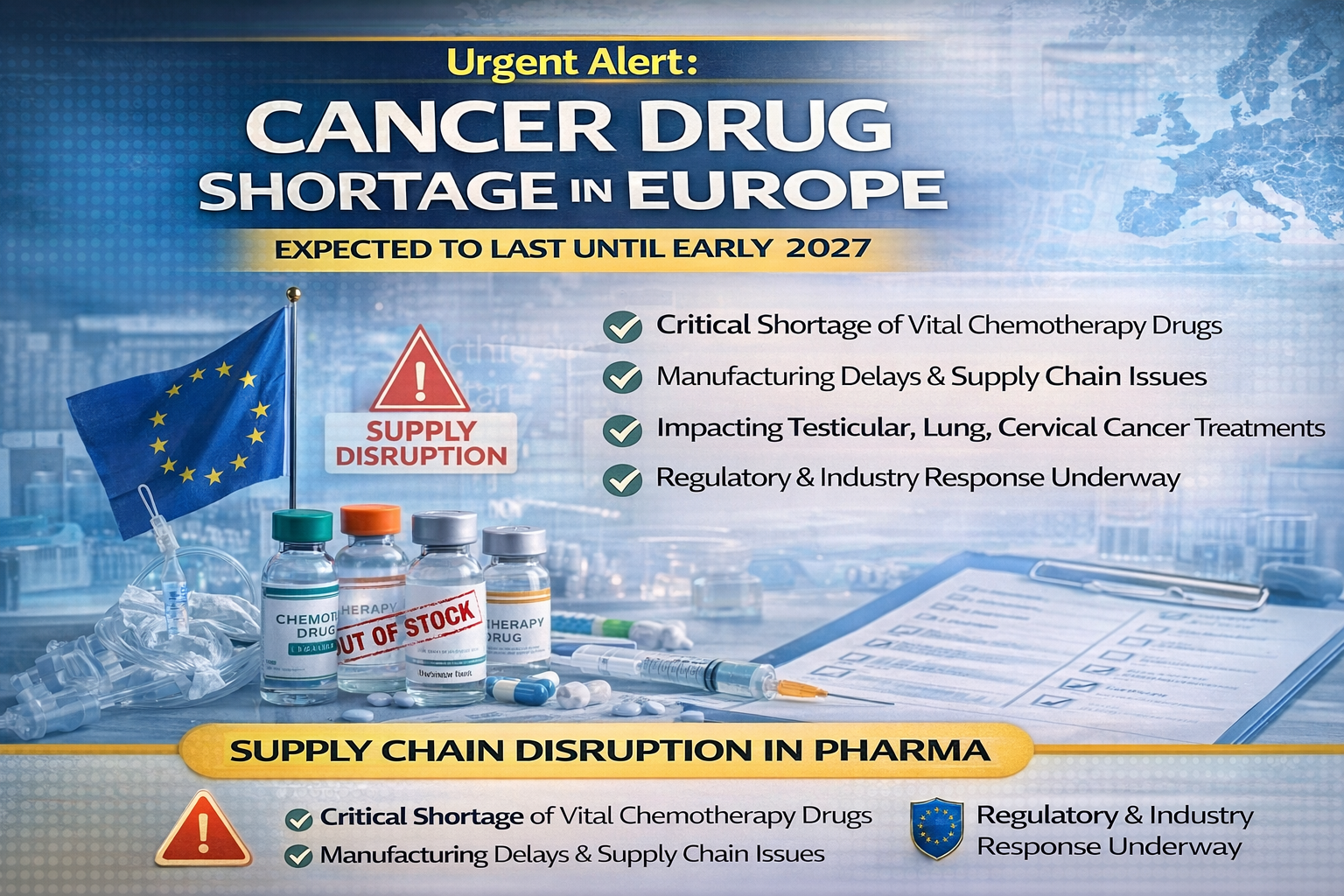
The global pharmaceutical supply chain is once again under pressure as European regulators warn of an extended shortage of a critical cancer treatment drug. The issue highlights ongoing vulnerabilities in drug manufacturing, distribution networks, and geopolitical dependencies. With shortages expected to continue into early 2027, the situation raises serious concerns for healthcare providers, patients, and the pharmaceutical industry as a whole.
Understanding the Drug Shortage Crisis
The European medicines regulator has indicated that supplies of cancer drugs containing ifosfamide will remain constrained for an extended period. This drug plays a crucial role in oncology treatment and is widely used either as a standalone therapy or in combination with other medications.
What is Ifosfamide Used For?
Ifosfamide is an essential chemotherapy agent used in treating:
- Testicular cancer
- Small cell lung cancer
- Cervical cancer
- Other solid tumors
Due to its broad application in cancer treatment protocols, any disruption in its availability can significantly impact patient care.
Root Cause: Manufacturing Disruptions
The primary reason behind this shortage is a technical disruption at a contract manufacturing facility. While production has resumed, it is currently operating at a limited capacity, which is insufficient to meet the existing demand across Europe.
Key Issues Identified:
- Temporary halt in production
- Reduced manufacturing output
- Dependence on a limited number of suppliers
- Delays in quality release and distribution
Such disruptions expose the risks associated with centralized manufacturing systems, where a single facility or supplier plays a dominant role in the supply chain.
Supply Chain Dependency and Market Vulnerability
One of the most critical aspects of this shortage is the heavy reliance on a single primary supplier for ifosfamide in the European market. This dependency has created a bottleneck, making the system highly vulnerable to operational disruptions.
Why This is a Concern:
- Limited alternative suppliers
- Slow regulatory approvals for new manufacturers
- High entry barriers for oncology drug production
- Complex manufacturing processes
The situation underscores the urgent need for diversification in pharmaceutical manufacturing to ensure supply stability.
Compounding Factors: Global Geopolitical Tensions
In addition to manufacturing challenges, global geopolitical issues are further complicating the situation. Ongoing conflicts in key regions have disrupted logistics and transportation networks.
Impact of Geopolitical Disruptions:
- Restricted air cargo routes
- Delays in shipping and freight movement
- Increased transportation costs
- Supply chain unpredictability
These external factors amplify the effects of production disruptions, making recovery slower and more complex.
Impact on Healthcare Systems and Patients
The shortage of a critical cancer drug is not just a supply issue—it directly affects patient outcomes and healthcare delivery.
Major Consequences:
- Delayed or altered treatment plans
- Increased reliance on alternative therapies
- Higher treatment costs
- Stress on healthcare providers
Doctors may need to adjust chemotherapy regimens, which could potentially affect treatment efficacy and patient recovery timelines.
Regulatory and Industry Response
Regulatory authorities are actively monitoring the situation and working with manufacturers to restore supply levels. However, the process is gradual due to the complexities involved in pharmaceutical production.
Steps Being Taken:
- Close monitoring of drug availability
- Encouraging increased production capacity
- Exploring alternative suppliers
- Ensuring fair distribution across regions
The focus remains on minimizing disruption while maintaining strict safety and quality standards.
Lessons for the Pharmaceutical Industry
This shortage serves as a critical learning opportunity for the global pharmaceutical sector. It highlights the importance of building resilient and flexible supply chains.
Key Takeaways:
- Diversify manufacturing locations
- Invest in backup production facilities
- Strengthen supplier networks
- Improve risk management strategies
- Enhance transparency in supply chains
Pharma companies must adopt a proactive approach to avoid similar crises in the future.
Future Outlook
While production has resumed, full recovery will take time. The shortage is expected to persist until early 2027, indicating that short-term solutions may not be sufficient.
The industry is likely to witness:
- Increased regulatory scrutiny
- Greater investment in manufacturing infrastructure
- Adoption of advanced supply chain technologies
- Strategic collaborations between companies
These changes could ultimately strengthen the global pharmaceutical ecosystem.
Conclusion
The ongoing shortage of a vital cancer drug in Europe is a stark reminder of the fragility of global pharmaceutical supply chains. From manufacturing disruptions to geopolitical tensions, multiple factors have contributed to the crisis.
Ensuring uninterrupted access to life-saving medicines requires a coordinated effort between regulators, manufacturers, and policymakers. By focusing on diversification, innovation, and resilience, the industry can better prepare for future challenges and safeguard patient health worldwide.