
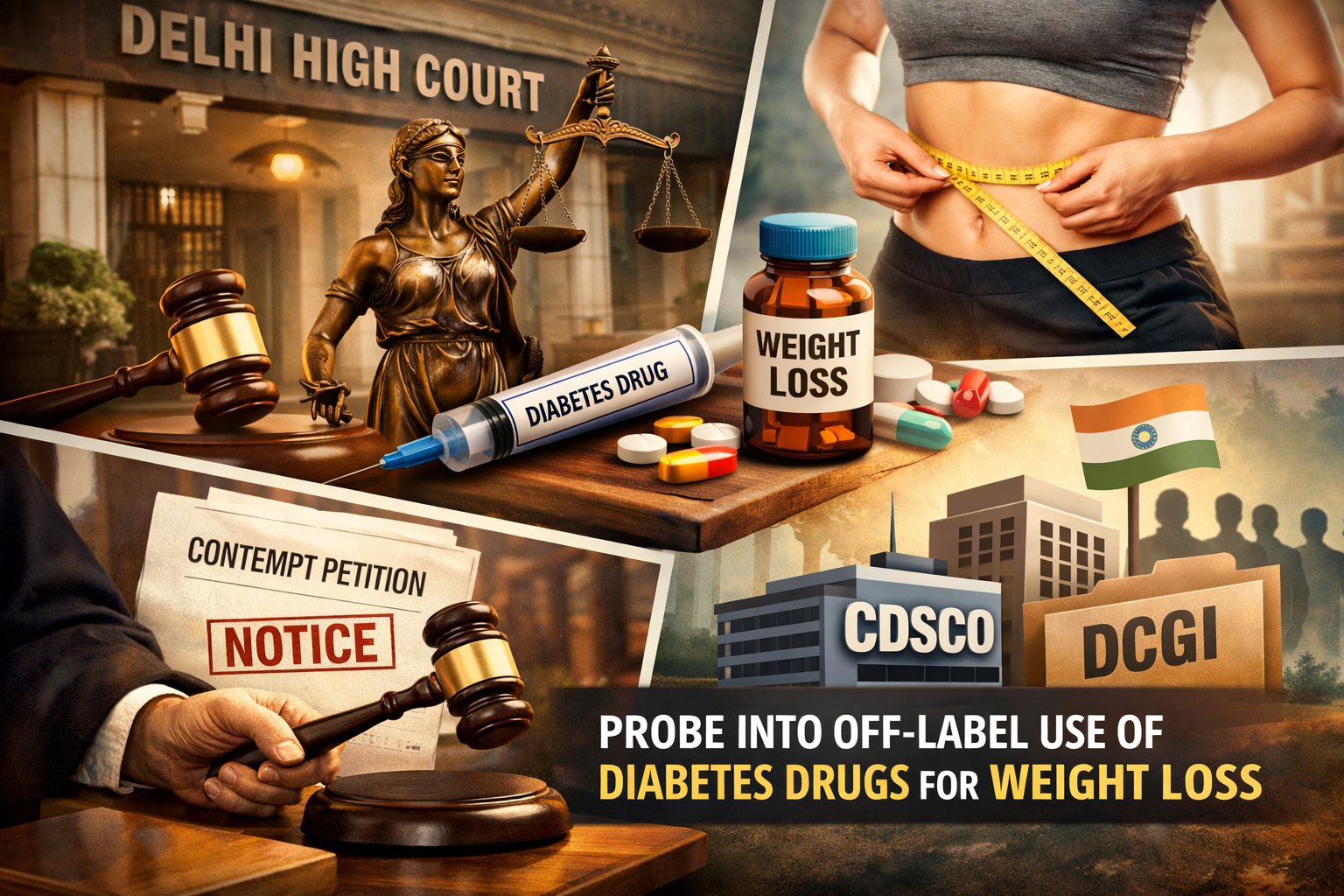
India’s healthcare and pharmaceutical regulatory landscape has once again come under scrutiny as the Delhi High Court seeks a response from authorities regarding the alleged delay in addressing the off-label misuse of diabetes medications for weight loss. This issue has sparked significant debate among healthcare professionals, regulators, and the general public, especially with the rising popularity of certain drugs being used beyond their approved indications.
Understanding the Issue of Off-Label Drug Use
Off-label drug use refers to the practice of prescribing medications for purposes other than those officially approved by regulatory authorities. While this practice is not uncommon in modern medicine and can sometimes offer therapeutic benefits, it becomes a matter of concern when it leads to widespread misuse or potential health risks.
In recent years, certain diabetes medications have gained attention for their weight-loss effects. Although these drugs are clinically approved for managing blood sugar levels in patients with type 2 diabetes, their appetite-suppressing and metabolic effects have led to increased off-label usage among individuals seeking rapid weight loss solutions.
Legal Developments and Court Intervention
The Delhi High Court has taken a firm stance on this issue by seeking responses from key regulatory bodies, including the Central Drugs Standard Control Organisation (CDSCO) and the Drugs Controller General of India (DCGI). The court’s action comes in response to a contempt petition alleging non-compliance with earlier directives to investigate concerns surrounding the misuse of such medications.
The petition highlights that despite prior instructions from the court, authorities have reportedly failed to take concrete steps to evaluate and regulate the off-label use of these drugs. As a result, the court has issued notices and provided a timeline for the concerned authorities to respond, signaling the seriousness of the matter.
Growing Popularity of Weight Loss Drugs
The demand for quick and effective weight loss solutions has surged in recent years, driven by lifestyle changes, increasing obesity rates, and the influence of social media trends. This has led to a growing interest in pharmaceutical options that promise rapid results.
However, the use of prescription medications without proper medical supervision or for unapproved purposes can pose significant health risks. These include side effects, long-term complications, and interactions with other medications. The situation becomes more critical when such drugs are used by individuals who do not have the underlying medical condition they are intended to treat.
Regulatory Challenges in India
India’s pharmaceutical sector is one of the largest in the world, with a complex regulatory framework designed to ensure drug safety, efficacy, and quality. However, the rapid evolution of healthcare trends and increasing access to medications have created new challenges for regulators.
One of the key issues highlighted by this case is the gap between policy directives and their implementation. While regulatory bodies may issue guidelines and advisories, ensuring compliance across the healthcare ecosystem remains a significant challenge.
Additionally, monitoring off-label drug use is inherently difficult, as it often occurs within the doctor-patient relationship and may not always be documented or reported systematically.
Importance of Timely Regulatory Action
The High Court’s intervention underscores the importance of timely and effective regulatory action in safeguarding public health. Delays in addressing such issues can lead to widespread misuse, making it harder to control the situation later.
Proactive measures such as issuing clear guidelines, conducting awareness campaigns, and strengthening surveillance mechanisms are essential to prevent the misuse of prescription drugs. Regulatory authorities must also collaborate with healthcare professionals to promote responsible prescribing practices.
Role of Healthcare Professionals
Doctors and healthcare providers play a crucial role in ensuring the safe use of medications. While off-label prescribing can sometimes be justified based on clinical judgment, it must be supported by scientific evidence and patient-specific considerations.
Healthcare professionals should also educate patients about the potential risks associated with using medications for unapproved purposes. Transparent communication and informed consent are key components of ethical medical practice.
Public Awareness and Patient Responsibility
In addition to regulatory and professional efforts, public awareness is equally important in addressing this issue. Patients must understand that not all medications are suitable for everyone and that self-medication or following trends without medical advice can be dangerous.
The growing influence of digital platforms has made information more accessible, but it has also increased the risk of misinformation. Therefore, individuals should rely on credible medical sources and consult qualified healthcare providers before using any prescription drugs.
The Way Forward
The ongoing case highlights the need for a more robust and responsive healthcare regulatory system in India. Addressing the misuse of diabetes drugs for weight loss requires a multi-pronged approach involving regulators, healthcare providers, and the public.
Key steps that can be taken include:
-
Strengthening enforcement of existing drug regulations
-
Enhancing monitoring systems for prescription drug use
-
Promoting evidence-based medical practices
-
Increasing public awareness about the risks of off-label drug use
-
Encouraging accountability among regulatory authorities
Conclusion
The Delhi High Court’s directive serves as a critical reminder of the importance of regulatory vigilance in the pharmaceutical sector. As the demand for innovative and effective treatments continues to grow, ensuring their safe and appropriate use must remain a top priority.
The outcome of this case could set an important precedent for how off-label drug misuse is addressed in India, ultimately shaping the future of healthcare governance and patient safety.