
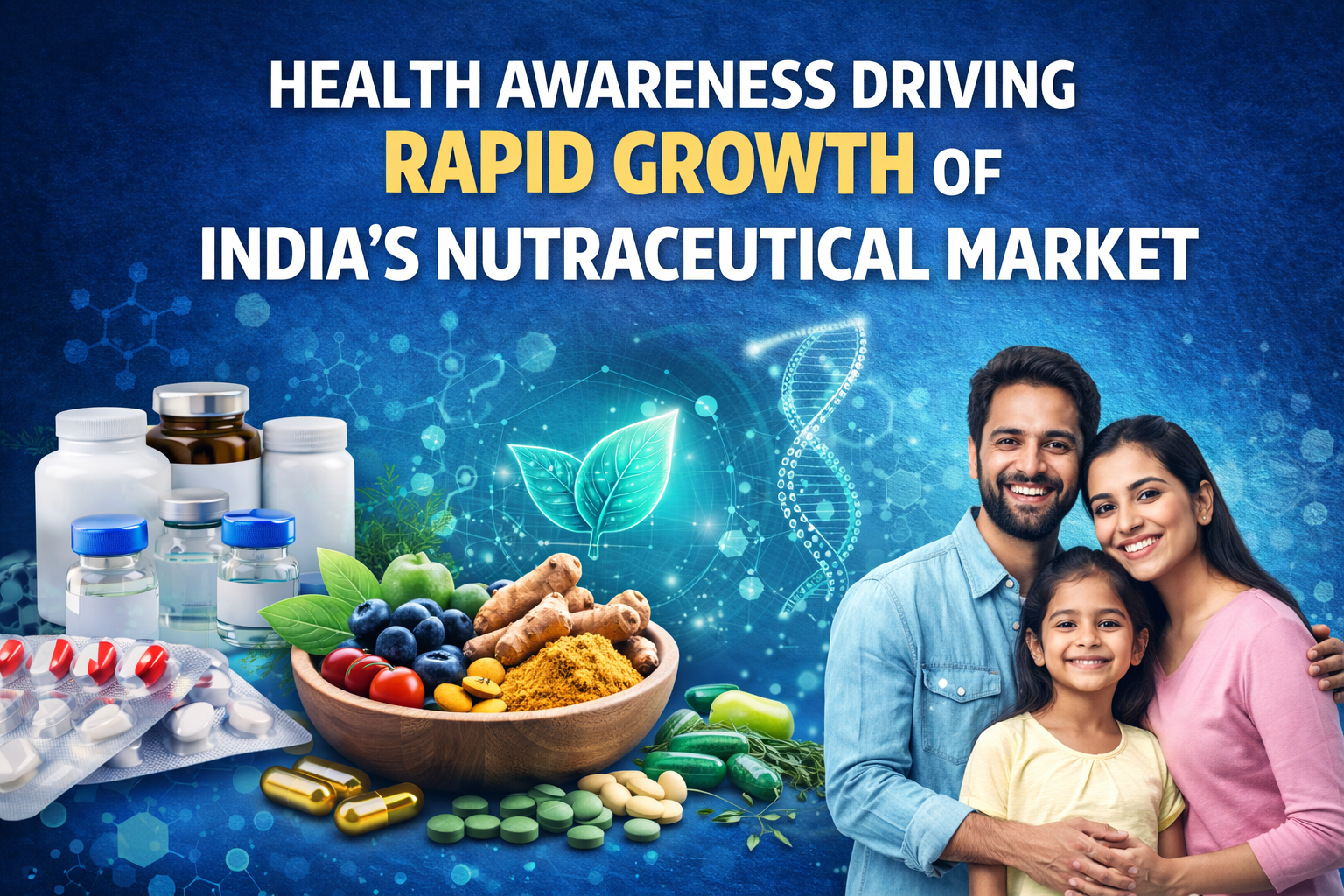
India’s nutraceutical industry is witnessing remarkable growth as consumers increasingly focus on preventive healthcare and nutritional well-being. Rising awareness about lifestyle diseases, immunity, and plant-based nutrition is transforming the way people approach health management. As a result, nutraceutical products—positioned between traditional food and pharmaceutical medicines—are becoming one of the fastest-growing segments in the Indian consumer health market.
The growing preference for natural supplements, vitamins, minerals, and herbal formulations reflects a major shift in consumer behavior. People are now actively looking for products that support overall wellness, improve immunity, and help manage long-term health conditions. This shift is creating new opportunities for companies operating in the nutraceutical and pharmaceutical sectors.
Increasing Health Awareness Among Consumers
Over the last decade, health awareness in India has increased significantly. Urbanization, busy lifestyles, and rising healthcare costs have encouraged individuals to prioritize preventive healthcare solutions. Consumers are increasingly choosing nutritional supplements, plant-based products, and functional foods to maintain a healthy lifestyle.
The COVID-19 pandemic further accelerated this trend, as people began focusing on immunity-boosting products and nutritional support. Supplements containing vitamins, minerals, probiotics, and herbal extracts have become widely popular among health-conscious consumers.
This growing awareness has led to strong demand for nutraceutical products that support immunity, digestive health, heart health, and overall wellness.
Growing Importance of Women’s Health
Another key driver behind the expansion of the nutraceutical sector is the increasing attention being given to women’s health. Topics such as hormonal health, bone strength, reproductive health, and menopause are gradually gaining recognition in the healthcare space.
For many years, discussions around menopause and hormonal changes were often overlooked or surrounded by stigma in society. However, awareness campaigns and community initiatives are helping to bring these issues into the public conversation.
Women spend a significant part of their lives dealing with hormonal changes, yet many still lack access to reliable information and proper nutritional support. As awareness grows, the demand for supplements addressing women’s health concerns—including menopause nutrition, calcium supplementation, and hormonal balance—is increasing steadily.
The nutraceutical industry is responding to this demand by introducing specialized formulations designed to support women’s health and wellness.
Plant-Based Nutrition Gaining Popularity
Plant-based nutrition is becoming one of the most influential trends shaping the nutraceutical market in India. Consumers are increasingly interested in herbal ingredients, organic products, and plant-derived nutrients that are perceived as safe and natural.
Ingredients such as turmeric, ashwagandha, moringa, and plant-based proteins are widely used in dietary supplements. These natural ingredients are often associated with traditional wellness practices and are gaining popularity among modern consumers looking for holistic health solutions.
The growing demand for clean-label products—those free from artificial additives and chemicals—is also encouraging companies to develop plant-based nutraceutical formulations.
Rapid Expansion of the Nutraceutical Market
India’s nutraceutical sector is growing rapidly and is expected to expand significantly over the next decade. Market experts believe the sector will continue to grow at a strong compound annual growth rate as consumers increasingly adopt preventive healthcare habits.
The market includes a wide variety of products such as dietary supplements, functional beverages, fortified foods, herbal extracts, and wellness formulations. With increasing demand across different age groups, the sector offers strong business potential for manufacturers, distributors, and healthcare entrepreneurs.
Many companies are also collaborating with a pharma contract manufacturing company to scale production, ensure quality standards, and expand their product portfolios. Contract manufacturing allows businesses to focus on branding, marketing, and distribution while relying on experienced manufacturers for production.
Digital Platforms Transforming Nutraceutical Sales
The rapid growth of e-commerce and digital platforms is playing a crucial role in the expansion of the nutraceutical market. Consumers now have easy access to a wide range of health products through online stores, health platforms, and digital marketplaces.
Direct-to-consumer websites, online pharmacies, and quick-commerce platforms are helping nutraceutical companies reach customers faster than ever before. Social media, health influencers, and digital education campaigns are also contributing to higher awareness about nutritional supplements.
This digital transformation is enabling companies to build stronger relationships with consumers while expanding their market reach across urban and rural regions.
Competitive Landscape in the Industry
The nutraceutical industry in India is highly competitive and fragmented. Companies from various sectors—including pharmaceutical manufacturers, consumer goods companies, and health startups—are competing to capture the growing consumer base.
Businesses that focus on product innovation, high-quality ingredients, and strong distribution networks are more likely to succeed in this competitive environment. Some companies are also exploring partnerships with a monopoly medicine company in india to secure exclusive distribution rights and strengthen their presence in regional markets.
Such collaborations help companies expand their reach while maintaining high product quality and regulatory compliance.
Future Outlook of the Nutraceutical Industry
The future of India’s nutraceutical market appears extremely promising. Increasing awareness about nutrition, preventive healthcare, and lifestyle diseases will continue to drive demand for health supplements.
In addition, advancements in research and development will likely lead to more targeted formulations for specific health concerns, including immunity, digestive health, cognitive wellness, and women’s health.
Government initiatives promoting food processing, health innovation, and nutritional awareness are also expected to support the growth of the sector.
As the healthcare landscape continues to evolve, nutraceuticals are expected to become an essential part of everyday wellness routines for millions of people.
Conclusion
India’s nutraceutical industry is entering a phase of rapid growth driven by health awareness, plant-based nutrition trends, and increasing demand for preventive healthcare solutions. Consumers are becoming more proactive about maintaining their health, which is fueling the demand for nutritional supplements and functional foods.
With expanding digital distribution channels, increased research in nutritional science, and strong manufacturing capabilities, the sector holds immense potential for future growth. Companies that focus on quality, innovation, and consumer education will play a significant role in shaping the future of India’s rapidly expanding nutraceutical market.