
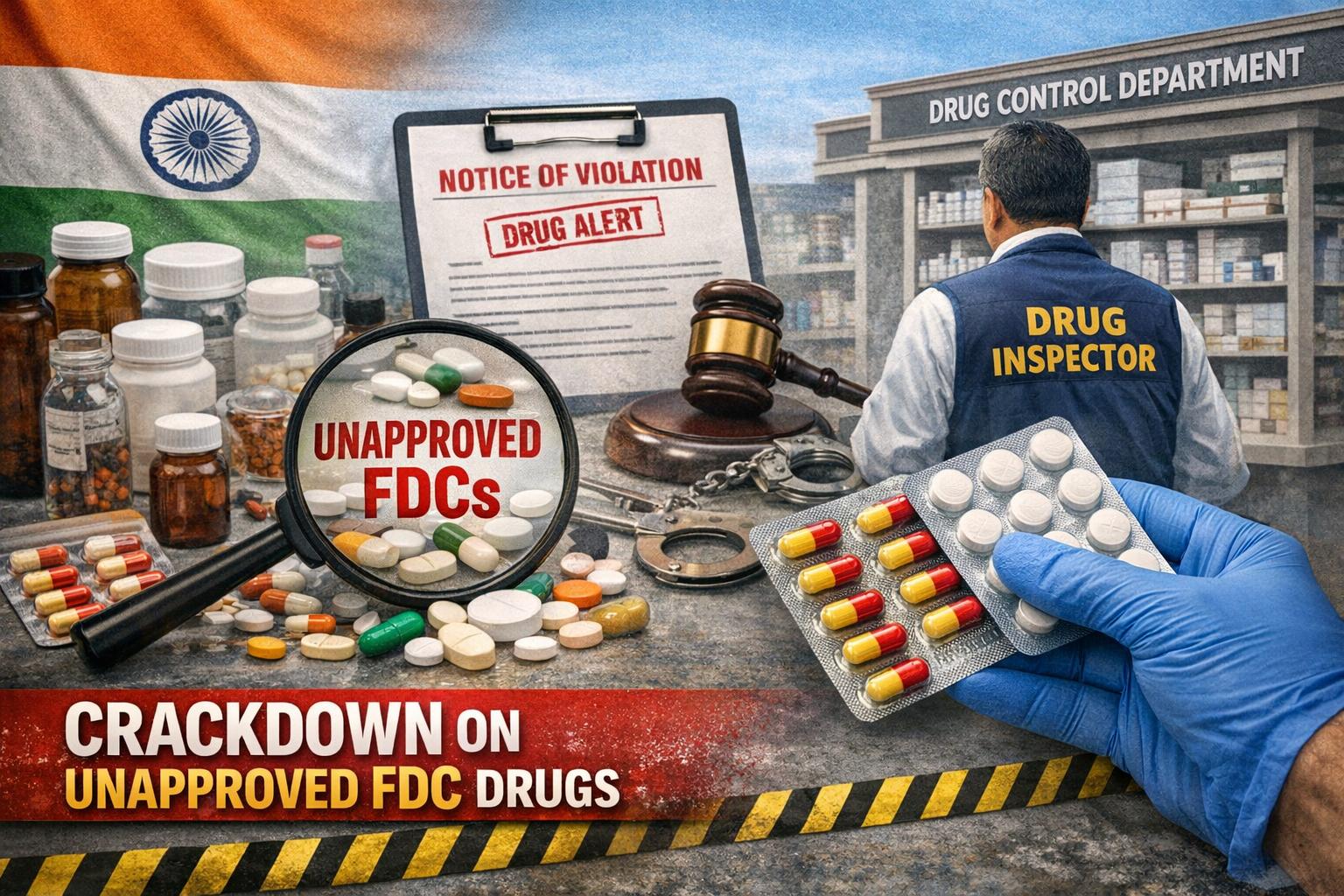
India’s pharmaceutical regulatory system has taken a significant step to strengthen drug safety by identifying and flagging nearly 90 unapproved fixed-dose combination (FDC) drugs circulating in the market. This move reflects growing vigilance in ensuring that medicines available to patients meet strict safety, efficacy, and regulatory standards. The nationwide directive to state authorities to take immediate action marks a critical moment in the country’s ongoing effort to regulate its vast and complex drug supply chain.
What Are Fixed-Dose Combination (FDC) Drugs?
Fixed-dose combination drugs are formulations that include two or more active pharmaceutical ingredients combined in a single dosage form. These medicines are widely used in treating chronic conditions such as diabetes, infections, and nutritional deficiencies. When properly approved, FDCs can improve patient compliance, reduce pill burden, and enhance therapeutic outcomes.
However, unapproved FDCs—those that have not undergone proper evaluation—can pose serious risks. Without scientific validation, these combinations may lead to adverse drug reactions, ineffective treatment, or harmful drug interactions.
Regulatory Action and Its Significance
The recent action was triggered after a detailed analysis of laboratory testing data for 2025, which revealed the presence of multiple unapproved drug samples on the regulatory monitoring platform. Following this, authorities issued strict instructions to state regulators to adopt a zero-tolerance approach toward such violations.
State drug controllers have been directed to:
- Identify manufacturers and distributors involved
- Verify approval status of flagged drugs
- Take immediate enforcement action
- Submit action taken reports without delay
This coordinated effort highlights a stronger alignment between central and state regulatory bodies, which is essential for maintaining drug quality across the country.
Legal Framework Governing Drug Approvals
In India, no new drug—including FDCs—can be manufactured or marketed without prior approval from the central licensing authority. This process ensures that the drug has been thoroughly evaluated for safety, efficacy, and quality.
The regulatory framework mandates that manufacturers must obtain necessary permissions before applying for a manufacturing license. Failure to comply with these rules is considered a violation of the Drugs and Cosmetics Act, 1940, and related regulations.
Despite these clear guidelines, lapses in enforcement at the state level in the past have allowed certain unapproved FDCs to enter the market, raising concerns about systemic gaps.
Public Health Risks of Unapproved Drugs
The presence of unapproved FDCs in the pharmaceutical supply chain is a serious public health concern. These drugs may not have undergone clinical trials or scientific validation, making their safety and effectiveness uncertain.
Potential risks include:
- Unexpected side effects or adverse reactions
- Reduced therapeutic efficacy
- Drug resistance in certain treatments
- Increased healthcare costs due to ineffective therapy
For patients relying on these medications, the consequences can be severe, especially in chronic disease management where consistent and reliable treatment is essential.
Historical Context and Ongoing Challenges
Concerns regarding unapproved FDCs are not new. A parliamentary committee had previously highlighted that some state authorities issued manufacturing licenses without obtaining central approval. This led to the proliferation of drugs that were not adequately tested.
The current crackdown can be seen as a continuation of efforts to address these long-standing issues. However, challenges remain, particularly in ensuring uniform enforcement across all states and maintaining transparency in the approval process.
Role of State Authorities in Enforcement
State drug regulators play a crucial role in implementing these directives on the ground. Their responsibilities include inspecting manufacturing units, monitoring distribution channels, and ensuring that only approved drugs are available in the market.
The effectiveness of this crackdown will largely depend on how rigorously these authorities carry out inspections and enforce compliance. Strong coordination and timely reporting will be key to achieving the desired outcomes.
Impact on the Pharmaceutical Industry
This regulatory action is expected to have a significant impact on pharmaceutical companies. Manufacturers and marketers dealing in unapproved FDCs may face penalties, product recalls, and reputational damage.
At the same time, the move is likely to benefit compliant companies by creating a more level playing field. It encourages the industry to prioritize research, clinical validation, and regulatory compliance over shortcuts.
In the long term, stricter enforcement can enhance the credibility of the Indian pharmaceutical sector both domestically and globally.
Strengthening Drug Safety and Compliance
The crackdown underscores the importance of building a robust regulatory ecosystem. This includes:
- Improved digital monitoring systems for drug approvals
- Greater transparency in licensing processes
- Regular audits and inspections
- Enhanced collaboration between regulatory bodies
By leveraging technology and data analytics, authorities can identify irregularities more efficiently and take proactive measures.
The Way Forward
Ensuring drug safety in a country as large and diverse as India requires continuous vigilance. While the identification of unapproved FDCs is a crucial step, sustained efforts are needed to prevent such issues from recurring.
Future focus areas may include:
- Strengthening awareness among healthcare professionals
- Educating patients about safe medication practices
- Encouraging innovation within regulatory frameworks
- Streamlining approval processes without compromising safety
Conclusion
The identification and crackdown on unapproved fixed-dose combination drugs mark a decisive move toward improving pharmaceutical safety in India. By enforcing strict compliance and holding stakeholders accountable, regulators are taking essential steps to protect public health.
This development not only addresses immediate risks but also sets the foundation for a more transparent and reliable healthcare system. As regulatory mechanisms continue to evolve, the emphasis must remain on ensuring that every medicine reaching patients is safe, effective, and backed by scientific evidence.