
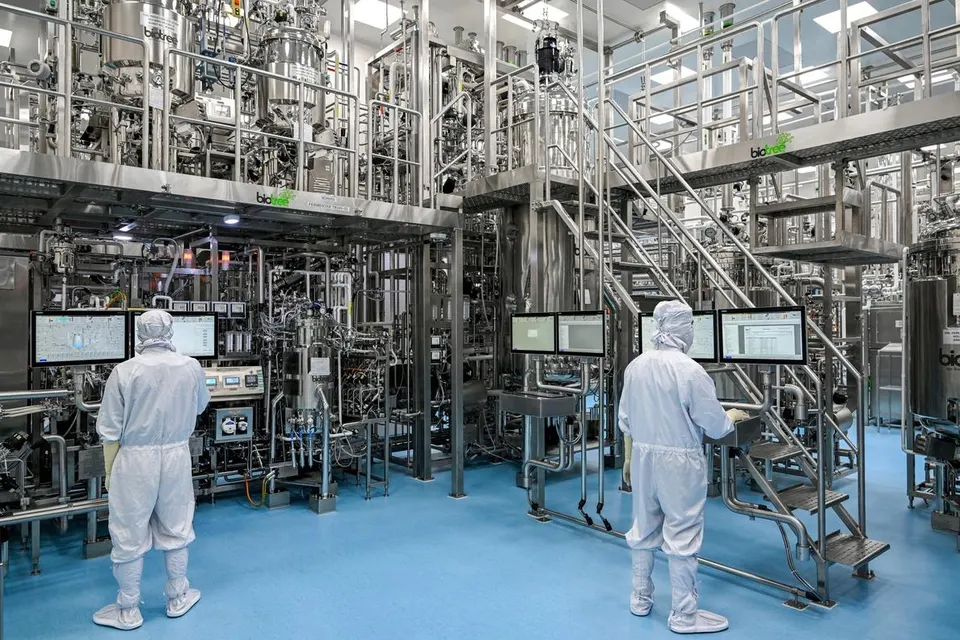
India’s pharmaceutical sector continues to strengthen its position as a global powerhouse. In a significant strategic move, a leading French drug manufacturer has announced plans to position India as the global hub for its fast-growing single-pill combination (SPC) drug portfolio, targeting €500 million in exports by 2030.
The company plans to invest €15 million in 2026 to establish a dedicated platform in Mumbai that will coordinate research and development, oversee manufacturing collaborations, and ensure global quality compliance. This move underscores India’s increasing importance in global pharmaceutical innovation, advanced formulation development, and export-oriented manufacturing.
What Are Single-Pill Combination (SPC) Drugs?
Single-pill combination therapies combine two or more active pharmaceutical ingredients (APIs) into a single dosage form. These therapies are widely used in:
-
Cardiometabolic disorders (hypertension, diabetes, dyslipidemia)
-
Cardiovascular diseases
-
Venous and thrombotic conditions
SPCs improve patient compliance, reduce pill burden, simplify treatment regimens, and enhance therapeutic outcomes. Globally, healthcare systems are increasingly adopting combination therapies to address chronic disease management more effectively.
The €15 Million Investment Plan
The upcoming platform, headquartered in Mumbai, will operate as a structured Indo-European collaboration model. Its core functions will include:
-
Coordinating R&D activities for new SPC formulations
-
Partnering with Indian contract development and manufacturing organizations (CDMOs)
-
Ensuring strict global quality oversight
-
Managing regulatory compliance for international markets
-
Overseeing export strategy and commercialization
The €15 million investment planned for 2026 will primarily focus on infrastructure, regulatory systems, technology integration, and strengthening local partnerships.
Why India Is the Preferred Global Base
India’s selection as the operational hub is strategic and data-driven. Several factors make India uniquely positioned for this role:
1. Strong Manufacturing Ecosystem
India is one of the largest producers of generic medicines globally and hosts hundreds of WHO-GMP, USFDA, and EU-approved facilities.
2. Cost-Efficient Development
Competitive production costs combined with high-quality standards make India an ideal destination for export-oriented pharmaceutical manufacturing.
3. Skilled Scientific Talent
India offers a vast pool of formulation scientists, regulatory experts, and pharmaceutical engineers experienced in complex dosage forms.
4. Established CDMO Network
The platform will collaborate with selected Indian CDMOs to manufacture SPCs while APIs will continue to be supplied from global production facilities. This hybrid model ensures quality consistency while leveraging India’s manufacturing efficiency.
Many businesses exploring long-term scalability often collaborate with a reputed pharma contract manufacturing company to streamline production and meet international compliance requirements.
Product Pipeline and Launch Timeline
The roadmap is ambitious and structured:
-
Five SPC products under development by end-2026
-
First international launch expected in Q2 2027
-
One additional product planned annually through 2030
-
Export target of €500 million by 2030
This phased approach allows gradual expansion into global markets while ensuring regulatory alignment and commercial sustainability.
Impact on India’s Pharmaceutical Industry
The initiative is expected to generate multi-dimensional benefits for the Indian pharmaceutical sector:
Boost to Exports
A €500 million export target significantly strengthens India’s position as a formulation export hub.
Technology Transfer & Innovation
The collaboration model integrates advanced formulation science with India’s manufacturing capabilities, promoting knowledge exchange.
Strengthening CDMO Ecosystem
Indian contract manufacturers will gain exposure to high-value combination therapy production, improving technological sophistication.
Enhanced Global Credibility
Such international partnerships reinforce India’s reputation for quality-driven pharmaceutical manufacturing.
Rising Demand for Combination Therapies
Globally, chronic diseases are on the rise. Combination drugs offer clinical advantages such as:
-
Improved adherence
-
Reduced hospitalization rates
-
Better therapeutic synergy
-
Simplified prescription protocols
As regulatory authorities worldwide increasingly support fixed-dose combinations, demand for SPCs is expected to grow steadily over the next decade.
This trend also opens significant opportunities for businesses operating under specialized distribution or exclusive territory models, similar to a monopoly medicine company in India, where focused market penetration and structured expansion strategies drive sustainable growth.
India’s Expanding Role in Global Pharma Strategy
India is no longer just a generic drug supplier. It is rapidly evolving into:
-
A global R&D support center
-
A high-quality formulation development hub
-
A trusted export manufacturing base
-
A partner in advanced therapeutic innovation
With structured investments, regulatory transparency, and technological integration, India is set to play a critical role in next-generation pharmaceutical development.
Conclusion
The €15 million investment to establish a dedicated SPC development and export platform in Mumbai marks a major milestone in India’s pharmaceutical journey. With five products lined up by 2026, international launches starting in 2027, and a €500 million export goal by 2030, this initiative demonstrates strong confidence in India’s pharmaceutical ecosystem.
As global healthcare shifts toward combination therapies for chronic disease management, India stands poised to become a central force in delivering high-quality, cost-efficient, and innovative SPC drugs to international markets.
The development signals not just investment—but a long-term strategic commitment to making India a global leader in advanced pharmaceutical formulations.