
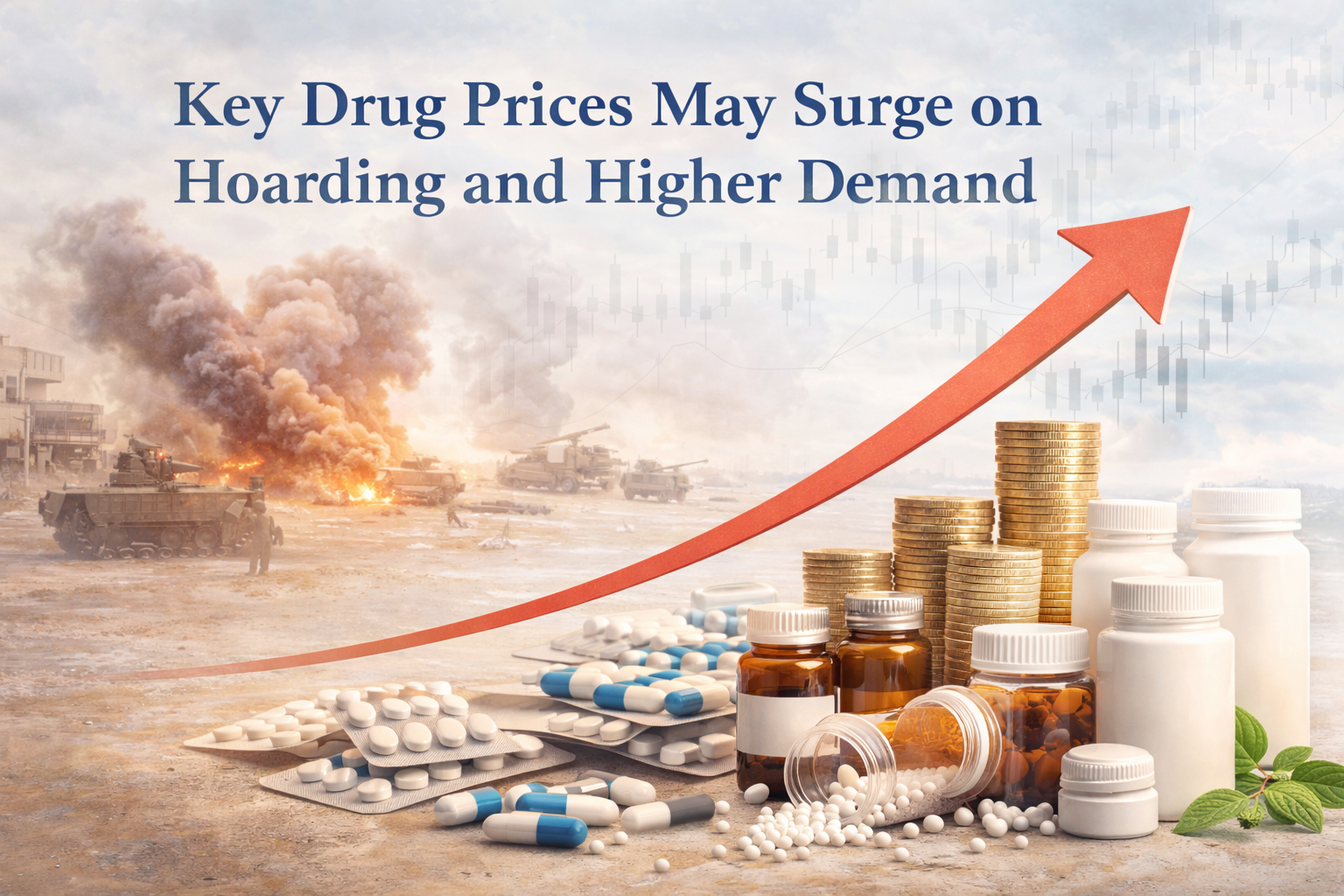
The global pharmaceutical industry is closely monitoring rising geopolitical tensions and their impact on medicine supply chains. Recent developments in the Middle East have raised concerns among healthcare experts and pharmaceutical companies, as panic-driven stockpiling and increased demand for essential medicines may lead to a surge in drug prices.
As uncertainty grows across international markets, governments, healthcare providers, and pharmaceutical manufacturers are preparing for potential supply disruptions. The increased demand for both chronic and acute therapy medicines could significantly affect global drug pricing and availability.
Rising Demand for Essential Medicines
Conflicts and geopolitical instability often trigger sudden increases in the demand for medical supplies. Hospitals, healthcare organizations, and even individuals begin stockpiling medicines to avoid shortages during uncertain times.
In the current scenario, experts expect rising demand for several categories of medicines, including:
-
Antibiotics and anti-infective drugs
-
Pain management medicines
-
Cardiovascular medicines
-
Respiratory therapy drugs
-
Emergency care medications
These medicines are essential for both routine healthcare and emergency medical situations. When demand increases rapidly, supply chains often struggle to keep pace, leading to price fluctuations.
Panic Buying and Hoarding Impact Supply Chains
One of the major factors driving potential price increases is panic buying and hoarding. During times of uncertainty, distributors, hospitals, and pharmacies tend to purchase larger quantities of medicines than usual to build buffer stock.
While this practice may help institutions prepare for emergencies, it can create artificial shortages in the market. When supply becomes limited and demand continues to grow, prices naturally begin to rise.
Pharmaceutical distributors and wholesalers may also increase inventory levels as a precautionary measure, further tightening the supply available for regular distribution channels.
Impact on International Pharmaceutical Markets
The Middle East is an important market for pharmaceutical products, especially for generic medicines produced in countries like India. Many nations in the region rely heavily on imported medicines to support their healthcare systems.
If demand increases sharply due to conflict-related concerns, pharmaceutical exporters may see a significant rise in orders from hospitals, government procurement agencies, and healthcare distributors.
However, such sudden demand spikes can also create logistical challenges such as:
-
Shipping delays
-
Increased freight costs
-
Inventory shortages
-
Production pressure on manufacturers
Managing these challenges requires strong coordination between manufacturers, exporters, and healthcare authorities.
Opportunities for Indian Pharmaceutical Manufacturers
India is widely recognized as one of the world’s largest producers of generic medicines. The country supplies affordable and high-quality drugs to more than 200 countries worldwide.
In situations where global demand rises rapidly, Indian pharmaceutical manufacturers are often able to respond quickly due to their large-scale production capacity and strong export infrastructure.
This could potentially create new growth opportunities for pharmaceutical exporters, especially those already supplying medicines to Middle Eastern markets.
India’s pharmaceutical industry is known for producing a wide range of medicines across various therapeutic segments, including chronic disease management, anti-infective therapies, and critical care drugs.
Strengthening Production Through Contract Manufacturing
As global demand for medicines increases, pharmaceutical companies must scale production efficiently while maintaining strict quality standards. Collaborating with a reliable pharma contract manufacturing company allows businesses to expand manufacturing capacity without investing heavily in new infrastructure.
Contract manufacturing partners help companies produce medicines in large volumes while maintaining regulatory compliance and quality assurance. This strategy enables pharmaceutical brands to meet sudden spikes in global demand without disrupting their existing supply chains.
Many pharmaceutical exporters rely on contract manufacturing networks to ensure stable production during periods of high demand.
Ensuring Stable Distribution Networks
Apart from manufacturing, distribution plays a crucial role in maintaining the availability of medicines across different markets. Pharmaceutical companies often collaborate with distributors operating under exclusive regional rights.
Working with a reliable monopoly medicine company in india model allows distributors to operate within a specific territory without facing competition from the same brand. This helps create strong distribution networks that ensure consistent medicine supply.
Such models also encourage long-term partnerships between pharmaceutical companies and distributors, improving market reach and product availability.
Government Monitoring and Regulatory Measures
Government authorities and regulatory agencies typically monitor drug pricing closely during periods of sudden demand increases. Many countries have strict regulations to prevent excessive price hikes for essential medicines.
Healthcare regulators may introduce temporary controls on drug prices or restrict large-scale stockpiling to ensure that medicines remain accessible to the general population.
In addition, governments may work with pharmaceutical manufacturers to increase production and stabilize supply chains if shortages begin to appear.
Importance of Strategic Supply Chain Planning
The current situation highlights the importance of robust supply chain planning within the pharmaceutical industry. Companies must maintain adequate inventory levels while ensuring that supply remains evenly distributed across different markets.
Advanced forecasting tools, logistics planning, and digital supply chain management systems can help pharmaceutical companies anticipate demand spikes and adjust production accordingly.
Building diversified supply routes and maintaining international distribution partnerships are also important strategies for managing global pharmaceutical supply networks.
Future Outlook for Global Drug Markets
Although temporary price fluctuations may occur due to rising demand and stockpiling, the pharmaceutical industry has historically demonstrated strong resilience during global crises.
Manufacturers, regulators, and healthcare organizations often collaborate closely to maintain stable drug supplies during periods of uncertainty. With strong production capacity and global distribution networks, the pharmaceutical sector can usually adapt quickly to changing market conditions.
For pharmaceutical manufacturers and exporters, the current situation serves as a reminder of the importance of flexible manufacturing systems, efficient logistics networks, and strategic international partnerships.
As global healthcare needs continue to evolve, companies that can manage supply chain disruptions effectively will be better positioned to meet demand while maintaining price stability and patient access to essential medicines.