
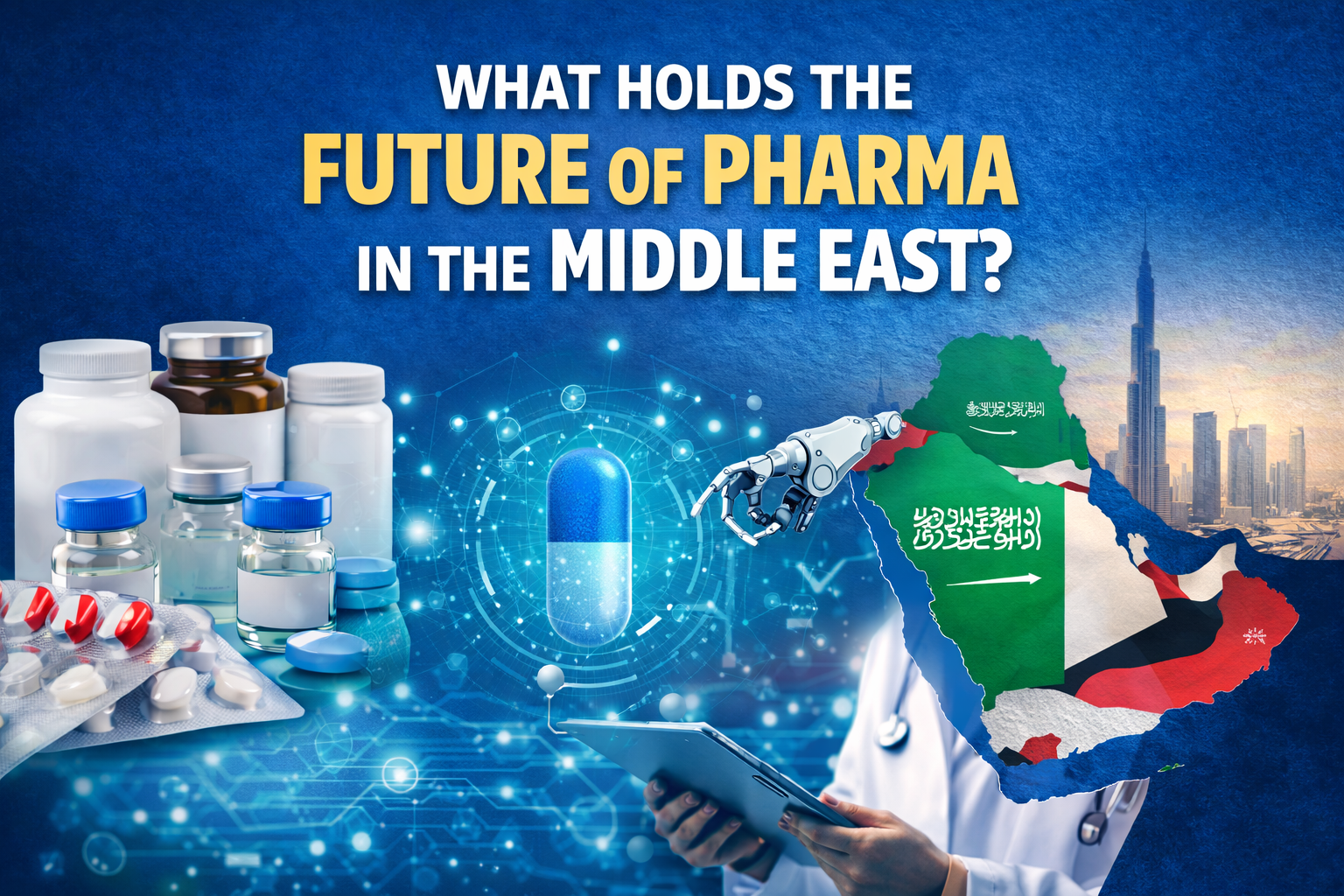
The pharmaceutical industry in the Middle East is experiencing a major transformation. Rapid population growth, rising healthcare awareness, government investments, and technological innovation are reshaping the region’s healthcare ecosystem. At the Economic Times Healthcare Leaders Summit Middle East 2025, pharmaceutical experts, policymakers, and industry leaders discussed the future of the pharmaceutical sector and the opportunities emerging across the region.
The discussion highlighted how Middle Eastern countries are focusing on strengthening their healthcare infrastructure, expanding pharmaceutical manufacturing, and encouraging global collaborations. These developments are expected to play a key role in shaping the next phase of growth in the regional pharma market.
Growing Demand for Healthcare and Medicines
One of the most important factors driving pharmaceutical growth in the Middle East is the increasing demand for healthcare services and medicines. With rising populations and growing urbanization, countries such as the UAE, Saudi Arabia, and Qatar are investing heavily in healthcare infrastructure.
Chronic diseases such as diabetes, cardiovascular conditions, and respiratory disorders are becoming more common in the region. As a result, pharmaceutical companies are witnessing higher demand for innovative treatments, specialty medicines, and preventive healthcare products. This demand is encouraging both multinational and regional pharmaceutical companies to expand their presence in Middle Eastern markets.
Shift Toward Local Pharmaceutical Manufacturing
Another major trend discussed at the summit was the growing emphasis on local pharmaceutical production. Governments across the Middle East are encouraging domestic manufacturing to reduce reliance on imports and strengthen supply chains.
Local manufacturing helps ensure consistent access to essential medicines while reducing overall healthcare costs. In addition, partnerships with international pharmaceutical companies are helping regional manufacturers adopt advanced technologies and maintain global quality standards.
Many international businesses are also collaborating with a pharma contract manufacturing company to improve production capacity, optimize costs, and meet regulatory requirements for exporting medicines to global markets.
Rising Investments and Government Initiatives
Government initiatives are playing a crucial role in shaping the pharmaceutical industry in the Middle East. Several countries have introduced policies aimed at attracting foreign investment, supporting research and development, and promoting pharmaceutical innovation.
For instance, Saudi Arabia’s Vision 2030 and the UAE’s healthcare strategies emphasize strengthening pharmaceutical manufacturing and encouraging biotechnology research. These initiatives are expected to create significant opportunities for pharmaceutical companies that are willing to invest in regional partnerships and advanced drug development.
In addition to infrastructure development, governments are also focusing on building a strong regulatory framework that ensures safety, quality, and efficiency in pharmaceutical operations.
Technological Innovation in the Pharma Sector
Technology is becoming a key driver of pharmaceutical progress in the Middle East. Artificial intelligence, digital health platforms, and data analytics are transforming how medicines are developed, distributed, and monitored.
Pharmaceutical companies are increasingly adopting digital tools to streamline clinical trials, improve drug discovery, and enhance patient outcomes. Telemedicine and e-pharmacy platforms are also expanding access to medicines and healthcare services across the region.
The integration of technology is expected to accelerate innovation and make healthcare services more accessible and efficient for millions of people in the Middle East.
Expanding Global Collaboration
The Middle East is emerging as a strategic hub for pharmaceutical trade and innovation. The region’s geographic location makes it an important bridge connecting Asia, Europe, and Africa.
As global pharmaceutical companies expand into new markets, many are forming partnerships with regional distributors and manufacturers. These collaborations help companies navigate regulatory requirements, improve product availability, and strengthen supply chains.
International businesses are also exploring partnerships with a monopoly medicine company in india to introduce high-quality pharmaceutical products while ensuring exclusive distribution rights in specific territories.
Such partnerships not only help expand market reach but also contribute to knowledge sharing and technological advancement within the pharmaceutical ecosystem.
Challenges Facing the Pharmaceutical Industry
Despite significant opportunities, the pharmaceutical sector in the Middle East also faces several challenges. Regulatory complexities, pricing controls, and supply chain disruptions remain important concerns for many companies.
Additionally, maintaining consistent product quality while scaling up manufacturing capacity requires strong regulatory oversight and adherence to international standards. Companies entering the region must ensure compliance with local regulations and maintain transparency in their operations.
However, with continuous improvements in healthcare policies and infrastructure, many of these challenges are gradually being addressed by governments and industry stakeholders.
The Future Outlook of Middle Eastern Pharma
The future of the pharmaceutical industry in the Middle East looks promising. The combination of increasing healthcare demand, supportive government policies, technological innovation, and international collaboration is creating a dynamic environment for pharmaceutical growth.
Experts believe that the region will continue to attract global pharmaceutical investments while strengthening its domestic manufacturing capabilities. As the healthcare ecosystem evolves, the Middle East is expected to become an important contributor to the global pharmaceutical supply chain.
Companies that invest in research, maintain high-quality standards, and build strategic partnerships will likely gain a competitive advantage in this rapidly expanding market.
Conclusion
The Middle East pharmaceutical sector is entering a new phase of development marked by innovation, investment, and collaboration. With governments focusing on healthcare transformation and industry leaders embracing advanced technologies, the region is well positioned to become a major pharmaceutical hub in the coming years.
For pharmaceutical companies and healthcare stakeholders, the evolving Middle Eastern market offers immense opportunities for growth, partnerships, and long-term success in the global healthcare landscape.