
The Indian pharmaceutical landscape is witnessing a major shift with the entry of generic semaglutide, a drug widely used for managing type 2 diabetes and obesity. Following patent expiry, multiple pharmaceutical companies have launched more affordable versions, significantly reducing the cost burden for patients. However, industry experts and medical professionals emphasize that pricing alone will not determine the long-term success of semaglutide in India. Instead, a combination of innovation, patient-centric care, and healthcare infrastructure will shape market dynamics.
Growing Demand for Semaglutide in India
India is facing a rapid rise in lifestyle-related diseases, particularly obesity and diabetes. With increasing awareness and diagnosis rates, the demand for advanced treatment options like semaglutide has surged. The availability of generic alternatives has further improved accessibility, enabling a broader patient base to consider this therapy.
While affordability plays a crucial role in expanding access, healthcare professionals argue that sustainable adoption requires more than just lower pricing. Patients need comprehensive support to effectively use and benefit from the medication.
The Role of Pricing in Market Penetration
One of the most notable changes post-patent expiry is the drastic reduction in treatment cost. Monthly therapy prices have dropped significantly, in some cases by over 80%, making the drug more accessible beyond metro cities and premium healthcare segments.
Lower-cost vial options are particularly aimed at middle- and lower-income populations, while pen-based delivery systems cater to patients seeking convenience and ease of use. This tiered pricing strategy allows companies to target diverse demographic groups.
However, aggressive pricing alone may not ensure patient retention or adherence. Experts believe that if patients struggle with administration, side effects, or lack of guidance, they may discontinue treatment regardless of affordability.
Importance of Drug Delivery Innovation
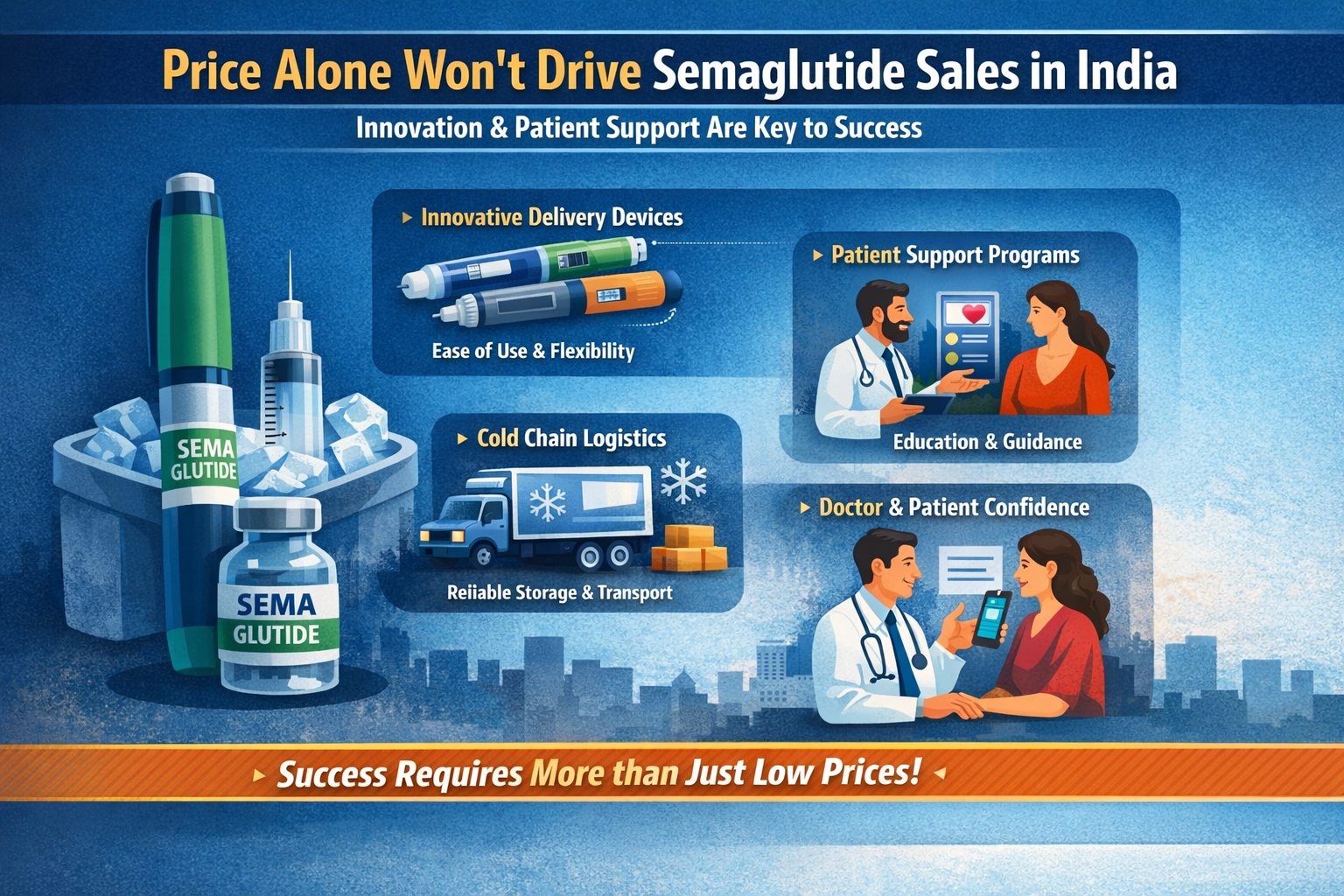
A key differentiator in the competitive semaglutide market is the delivery mechanism. Pharmaceutical companies are focusing heavily on device innovation to enhance patient experience. Options such as pre-filled disposable pens, reusable multi-dose pens, and traditional vial formats offer flexibility in dosing and administration.
Ease of use is particularly important for patients who are new to injectable therapies. A well-designed delivery device can significantly reduce anxiety, improve compliance, and ensure accurate dosing. As a result, companies investing in user-friendly devices are likely to gain a competitive edge.
Building Patient Support Ecosystems
Doctors strongly emphasize the need for robust patient support systems alongside drug availability. Semaglutide therapy often requires lifestyle adjustments, dietary changes, and continuous monitoring. Without proper guidance, patients may face challenges such as side effects or improper usage.
To address this, pharmaceutical companies are investing in comprehensive patient-support ecosystems. These include:
- Educational programs on injection techniques
- Nutritional counseling and diet planning
- Digital apps for tracking progress and reminders
- Dedicated helplines and onboarding assistance
Such initiatives not only improve treatment outcomes but also build trust and long-term engagement with patients.
The Need for Strong Cold Chain Infrastructure
Semaglutide is a temperature-sensitive drug, requiring a reliable cold chain for storage and transportation. Maintaining product integrity from manufacturing to end-user delivery is critical for safety and efficacy.
In a country like India, where logistics infrastructure varies widely across regions, ensuring consistent cold chain management can be challenging. Companies that invest in robust distribution networks and temperature-controlled supply chains will be better positioned to maintain product quality and gain market credibility.
Enhancing Doctor and Patient Confidence
Another crucial factor influencing adoption is the confidence of healthcare providers. Doctors play a central role in prescribing and guiding patients through treatment. Therefore, pharmaceutical companies must focus on generating clinical evidence, conducting awareness programs, and collaborating with medical communities.
Educating doctors about the long-term benefits, safety profile, and proper usage of semaglutide can significantly impact prescription rates. Similarly, empowering patients with knowledge helps them make informed decisions and remain committed to therapy.
Addressing Long-Term Treatment Challenges
Semaglutide is not a short-term solution; it requires sustained usage for effective results. Patients often need support in managing potential side effects and maintaining lifestyle changes. Additionally, preserving muscle mass during weight loss is an important consideration that requires nutritional guidance.
Companies that provide holistic care solutions—combining medication with lifestyle management—are more likely to succeed in this evolving market.
Competitive Landscape and Future Outlook
The entry of multiple pharmaceutical players has intensified competition in the semaglutide segment. While pricing strategies have made the drug more accessible, differentiation is increasingly driven by value-added services.
In the coming years, the focus is expected to shift towards:
- Personalized treatment approaches
- Integration of digital health technologies
- Expansion into tier-2 and tier-3 markets
- Strengthening patient engagement models
The companies that can effectively combine affordability with innovation and patient-centric care will lead the market.
Conclusion
The launch of generic semaglutide marks a significant milestone in improving access to advanced diabetes and obesity treatments in India. However, the market dynamics clearly indicate that price alone is not enough to drive success.
A holistic approach—encompassing device innovation, patient support systems, reliable infrastructure, and medical education—is essential for sustained growth. As the pharmaceutical industry evolves, the emphasis is shifting from merely selling a product to delivering comprehensive healthcare solutions that enhance patient outcomes and quality of life.