
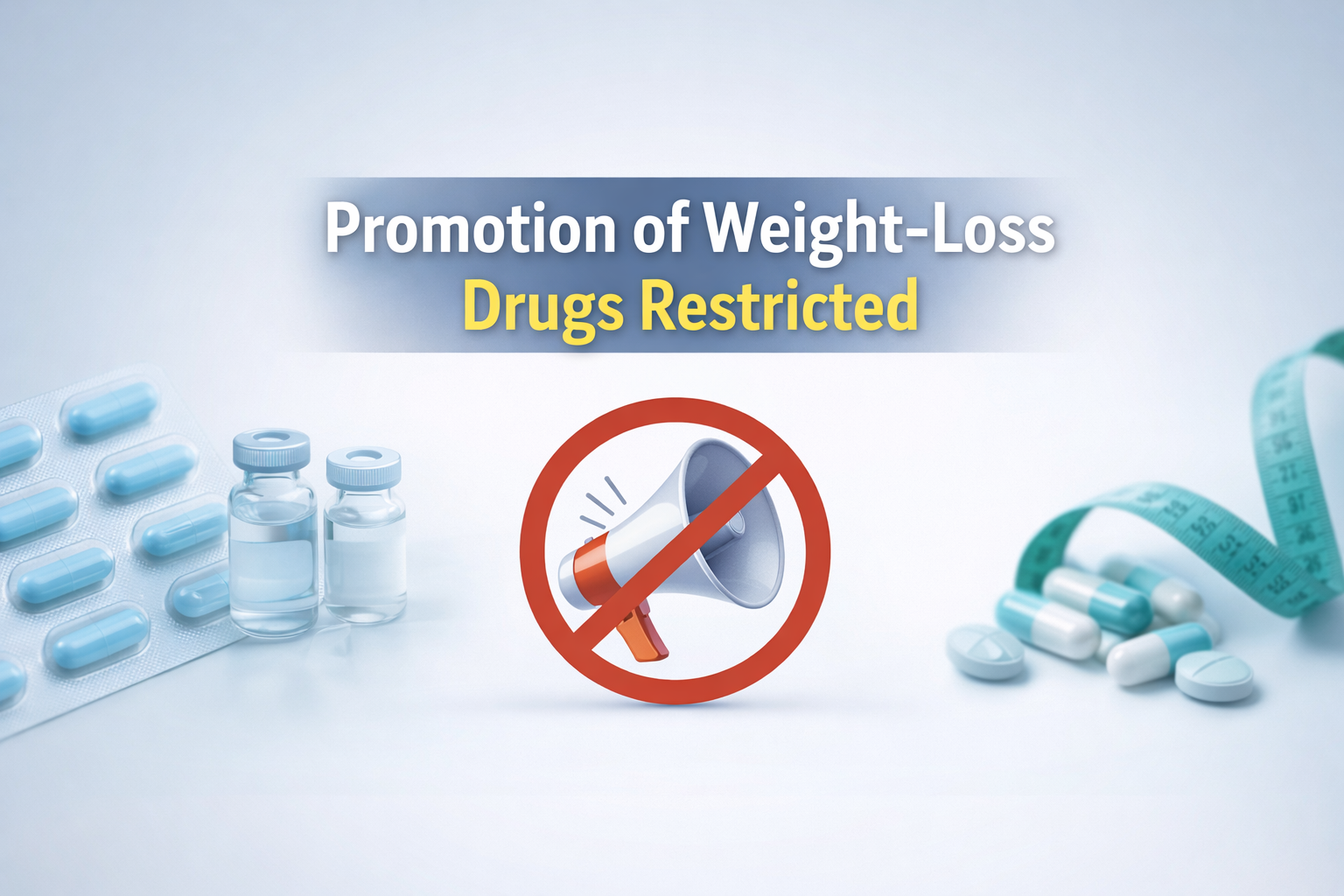
India’s drug regulatory authority has recently taken a strong stance against the direct and indirect promotion of prescription weight-loss medicines. The move comes after authorities observed several promotional campaigns and surrogate advertisements related to anti-obesity drugs across print, digital, and social media platforms.
The regulator has issued a clear advisory instructing pharmaceutical companies to avoid any marketing activity that promotes prescription-only weight-loss medicines to the general public. This step aims to protect public health and ensure that medicines meant for medical supervision are not misrepresented through aggressive marketing practices.
Why the Regulator Issued the Advisory
The growing demand for weight-loss medicines has led to increased marketing activities by pharmaceutical companies. However, regulators noticed that some companies were using indirect promotional strategies, such as awareness campaigns, influencer partnerships, and digital promotions that subtly highlighted specific drug categories.
Such activities may appear educational on the surface but often create brand recall and product awareness among consumers, which can influence individuals to seek prescription medicines without proper medical consultation.
To address this concern, authorities clarified that any activity that indirectly promotes prescription medicines to the public will be treated as a violation of ethical marketing guidelines.
Direct and Indirect Promotions Are Prohibited
The advisory clearly states that advertisements for prescription-only weight-loss drugs are not allowed across any platform. This includes:
-
Print media advertisements
-
Television or electronic media campaigns
-
Online marketing and digital ads
-
Social media promotions
-
Influencer collaborations
-
Corporate marketing campaigns
The regulator emphasized that even disease awareness campaigns cannot be used as a marketing tool to promote prescription medicines indirectly.
For example, if an awareness campaign about obesity creates product visibility or indirectly encourages people to ask for a specific medication, it may be considered surrogate advertising and could face regulatory action.
Concerns About Misleading Marketing
One of the key reasons behind the advisory is the risk of misleading health claims. Some promotional content has reportedly exaggerated the benefits of weight-loss medicines while downplaying the importance of lifestyle changes.
The regulator highlighted several problematic marketing practices, including:
-
Claims of guaranteed or rapid weight loss
-
Overstating the effectiveness of medicines
-
Ignoring the role of diet and physical activity
-
Presenting medication as a simple solution for obesity
Such promotions can create unrealistic expectations and may encourage people to seek medication without understanding the medical risks and limitations of drug therapy.
Obesity Is a Complex Health Condition
Health authorities also stressed that obesity is a chronic metabolic disorder, not simply a cosmetic concern. Effective weight management typically requires a combination of lifestyle modifications, medical evaluation, and long-term health strategies.
Doctors generally recommend approaches such as:
-
Balanced diet and nutrition planning
-
Regular physical activity
-
Behavioral and lifestyle changes
-
Medical supervision when drug therapy is required
Prescription medicines are usually recommended only when lifestyle changes alone are insufficient, and their use must always be guided by healthcare professionals.
Promoting these drugs as a quick solution could undermine broader public health initiatives focused on preventive healthcare and healthy living.
Compliance Requirements for Drug Manufacturers
The advisory also reminds pharmaceutical companies that they must strictly follow the approved conditions for manufacturing, distribution, and promotion of medicines.
Manufacturers and importers are required to ensure that:
-
Drug promotion aligns with approved medical indications
-
Marketing materials follow ethical pharmaceutical marketing guidelines
-
Advertising does not target the general public for prescription medicines
-
Product claims match the official labeling and regulatory approvals
Failure to comply with these rules could lead to regulatory scrutiny and possible action.
Growing Market for Weight-Loss Medicines
The regulatory action comes at a time when the global market for anti-obesity drugs is expanding rapidly. Advances in medical research have introduced new drug classes designed to help manage body weight and metabolic health.
As patents for certain medicines expire, the market is expected to see an increase in generic versions, which may significantly expand the availability of weight-loss drugs in India.
Industry observers believe that dozens of new brands could enter the market in the near future. This expected surge in products is another reason regulators are tightening rules around drug promotion and marketing practices.
Protecting Public Health
Regulatory authorities have emphasized that the primary objective of the advisory is to protect consumers from misleading medical information and ensure that prescription medicines are used responsibly.
When drug advertisements reach the general public without proper context, they may influence individuals to seek medication without understanding the medical supervision required for safe use.
By restricting direct and indirect promotions, regulators aim to ensure that:
-
Patients receive accurate medical guidance from healthcare professionals
-
Pharmaceutical companies follow ethical marketing practices
-
Public health initiatives promoting healthy lifestyles remain effective
The Role of Ethical Pharmaceutical Marketing
The pharmaceutical industry plays a critical role in healthcare innovation and drug availability. However, ethical marketing practices are essential to maintain trust and protect patient safety.
Responsible promotion ensures that medicines are recommended by qualified healthcare professionals rather than influenced by advertising. This approach helps maintain a balance between innovation, commercial growth, and public health protection.
Conclusion
The decision to restrict direct and indirect promotion of weight-loss medicines reflects the regulator’s commitment to maintaining ethical pharmaceutical marketing standards in India. With the rising demand for anti-obesity treatments, it is crucial that prescription drugs remain under proper medical supervision.
By preventing misleading advertisements and surrogate promotions, the regulatory framework ensures that patients rely on professional medical advice rather than marketing messages when making decisions about their health.
This move also reinforces the importance of lifestyle modification, preventive healthcare, and responsible drug use, which remain key components of long-term health management.