
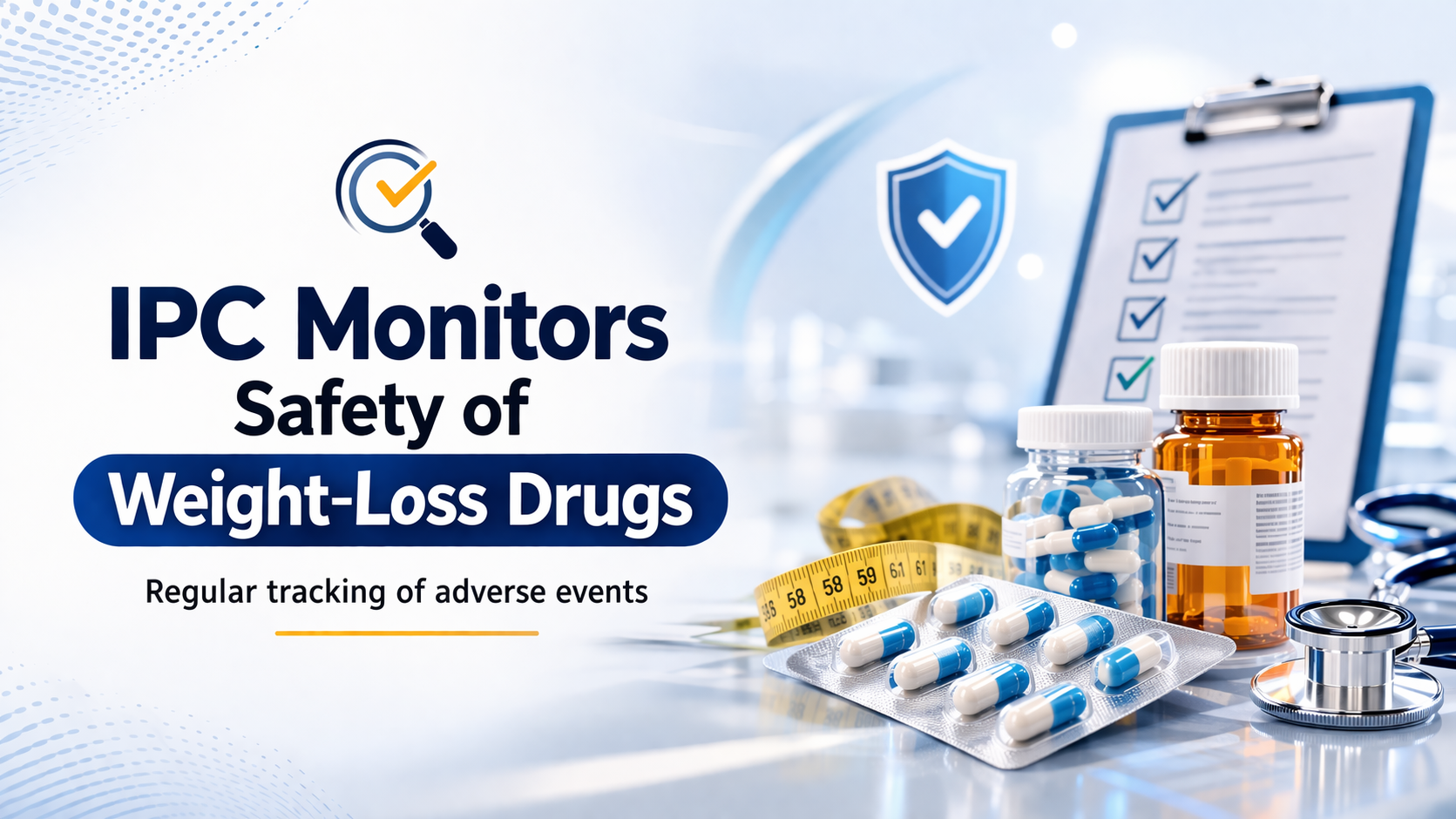
The rising demand for weight-loss medications in India has prompted health authorities to intensify their focus on drug safety and regulatory compliance. In a significant move, the Indian Pharmacopoeia Commission (IPC) has stepped up its efforts to monitor adverse events associated with weight-loss drugs, particularly those belonging to the GLP-1 class.
This development reflects a growing emphasis on patient safety, pharmacovigilance, and ethical practices within the rapidly expanding pharmaceutical sector.
Growing Demand for Weight-Loss Drugs
With increasing cases of obesity and lifestyle-related disorders, the demand for effective weight management solutions has surged. Many patients are turning to advanced medications for faster and more reliable results.
This trend has not only boosted the growth of the pharma drug company sector but has also increased the role of drug manufacturing companies in developing innovative therapies. As a result, India continues to strengthen its position among the top 10 healthcare company in India contributors globally.
However, the rising popularity of these drugs has also raised concerns regarding their misuse, safety, and long-term impact.
Role of IPC in Pharmacovigilance
The Indian Pharmacopoeia Commission plays a crucial role as the National Coordination Centre for the Pharmacovigilance Programme of India (PvPI). It is responsible for collecting, analyzing, and monitoring data related to adverse drug reactions across the country.
To ensure the safety of weight-loss drugs, the IPC has initiated:
- Regular monitoring of adverse events through the PvPI system
- Compilation of detailed safety reports on GLP-1 drugs
- Continuous evaluation of drug performance in real-world usage
This post-marketing surveillance system helps identify potential risks that may not have been detected during clinical trials.
Active and Passive Surveillance Mechanisms
The monitoring system implemented by IPC includes both passive and active surveillance:
Passive Surveillance
Under this system, healthcare professionals and patients report adverse drug reactions voluntarily. This data is then analyzed to detect safety signals.
Active Surveillance
In addition to passive reporting, authorities are now planning direct interaction with manufacturers to actively assess drug safety. This proactive approach ensures:
- Timely identification of risks
- Better coordination with pharmaceutical companies
- Improved regulatory response
Such mechanisms are essential for maintaining trust in the medicine production company ecosystem.
Crackdown on Misleading Advertisements
One of the major concerns highlighted by authorities is the misleading promotion of weight-loss drugs. In many cases, prescription-only medicines are being advertised in ways that encourage self-medication.
To address this issue, strict actions have been taken, including:
- Issuance of advisories to stop unethical promotions
- Monitoring of digital and offline marketing practices
- Enforcement of compliance with drug regulations
These measures aim to protect consumers and ensure that pharmaceutical companies near me and across the country follow ethical standards.
Nationwide Inspections and Regulatory Action
To strengthen enforcement, regulatory authorities have conducted large-scale inspections across India. These inspections covered:
- Online pharmacy warehouses
- Drug wholesalers and retailers
- Weight-loss clinics
During these audits, several violations were identified, including:
- Unauthorized sale of prescription drugs
- Improper prescription practices
- Misleading marketing strategies
Strict notices have been issued to violators, and authorities have warned of license cancellations, penalties, and legal action for non-compliance.
Impact on Pharmaceutical Industry
The increased regulatory scrutiny is expected to have a significant impact on the pharmaceutical industry in Chandigarh and other major pharma hubs.
For businesses, this means:
- Greater emphasis on compliance and transparency
- Adoption of ethical marketing practices
- Strengthening of internal quality control systems
Leading players, including those counted among the top 10 pharma companies in chandigarh and top 10 pcd pharma companies in india, will need to align their operations with updated guidelines.
Enhancing Patient Safety and Awareness
The primary objective of these measures is to ensure that patients use weight-loss drugs safely and responsibly. Experts strongly advise that such medications should only be taken under medical supervision.
Key benefits of enhanced monitoring include:
- Early detection of side effects
- Improved patient outcomes
- Increased public awareness about safe drug usage
This initiative reinforces the credibility of the top indian pharmaceutical companies and promotes responsible healthcare practices.
Future Outlook of Drug Safety Monitoring in India
India is continuously upgrading its pharmacovigilance systems to match global standards. The proactive role of IPC and regulatory authorities indicates a shift towards a more data-driven and patient-centric approach.
In the coming years, the focus will likely be on:
- Advanced digital monitoring systems
- Real-time reporting of adverse events
- Stronger collaboration between regulators and manufacturers
Such advancements will further strengthen India’s position among the top 10 pharmaceutical companies in india globally.
Conclusion
The decision by the Indian Pharmacopoeia Commission to regularly monitor adverse events related to weight-loss drugs marks a crucial step in ensuring patient safety. With increasing demand and widespread usage, robust surveillance and strict enforcement have become essential.
By combining regulatory vigilance, industry cooperation, and public awareness, India is building a safer and more reliable pharmaceutical ecosystem. Whether it is a large pharma drug company or smaller pharmaceutical companies near me, adherence to safety standards will define long-term success in this evolving landscape.
Ultimately, responsible usage, proper medical guidance, and strong regulatory frameworks will ensure that the benefits of weight-loss drugs are delivered without compromising patient health.