
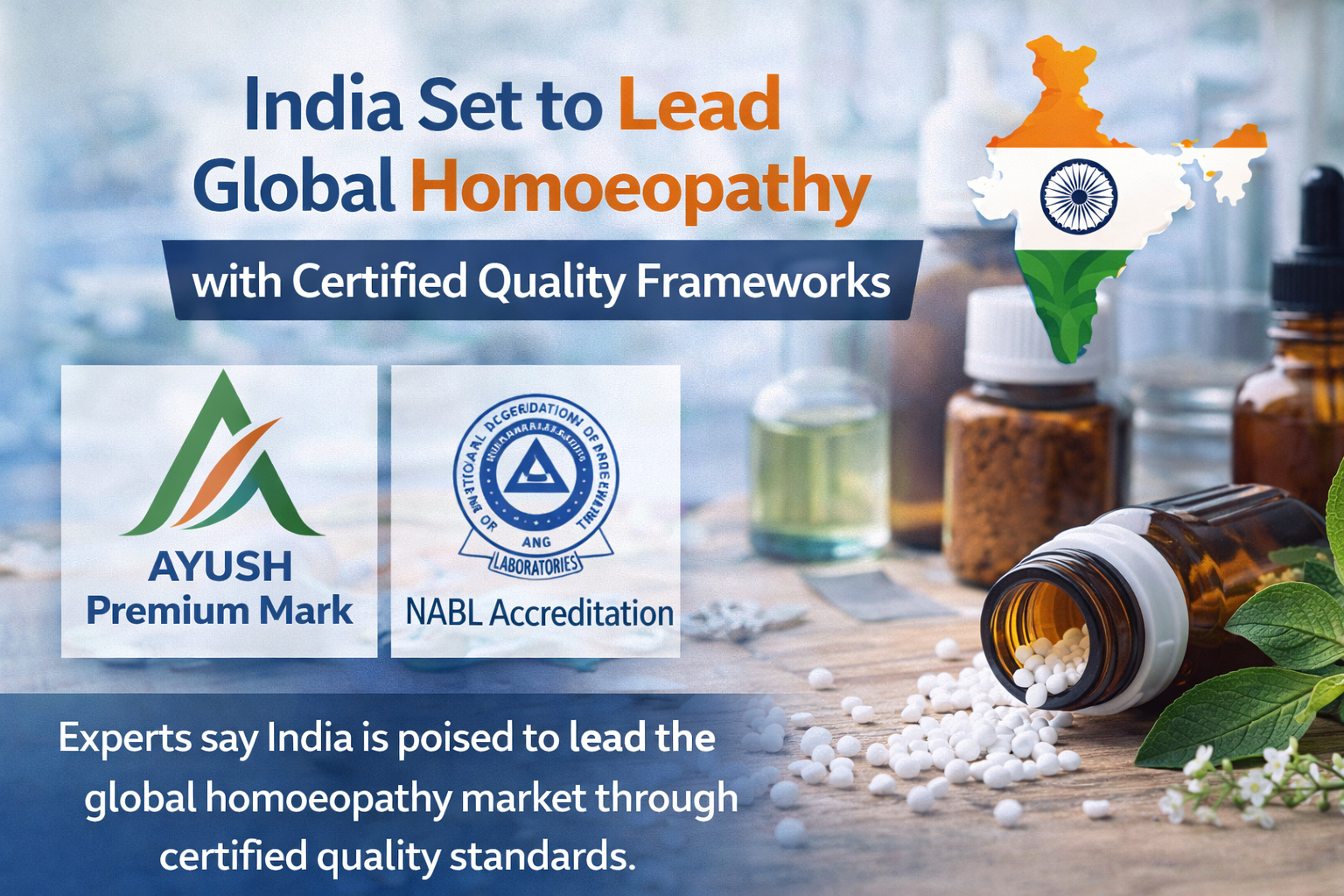
India is rapidly gaining recognition as a global powerhouse in homoeopathy. With a strong network of practitioners, expanding research infrastructure, and internationally recognised quality certifications, the country is positioning itself as a major player in the global homoeopathic medicine market. Experts believe that India’s combination of clinical expertise, traditional knowledge, and modern quality frameworks could reshape the global homoeopathy landscape in the coming years.
The increasing demand for natural and alternative healthcare solutions worldwide has also created new opportunities for homoeopathy. As global consumers become more conscious about safe, holistic, and cost-effective treatment options, India’s homoeopathy ecosystem is gaining attention for its quality, affordability, and scientific backing.
Strong Practitioner Network Strengthens India’s Homoeopathy Sector
One of the biggest strengths of India’s homoeopathy industry is its vast practitioner base. The country has more than 2.5 lakh registered homoeopathy practitioners, along with nearly 300 teaching institutions that train new professionals every year. This extensive network of healthcare providers has helped homoeopathy become widely accepted as a complementary and primary system of medicine across many regions.
Millions of patients rely on homoeopathy for treating chronic illnesses, lifestyle disorders, allergies, skin conditions, and immune-related problems. The consistent use of these treatments has generated a significant amount of clinical experience and patient data. This data plays a crucial role in strengthening the credibility of homoeopathy on the global stage.
Furthermore, India’s long-standing tradition of integrating natural healing methods into healthcare systems has created a supportive environment for research and innovation in homoeopathy.
Global Homoeopathy Market Presents Major Growth Opportunity
The global homoeopathy market is currently valued at approximately USD 8–10 billion, and it continues to expand as more people seek alternative medical therapies. Europe has historically dominated this market, particularly due to the long-established reputation of European homoeopathic manufacturers.
However, India is now emerging as a strong competitor in this space. With its large patient base, experienced practitioners, and growing manufacturing capabilities, the country is well-positioned to expand its global footprint.
Indian homoeopathic products are already exported to more than 100 countries, including markets in Asia, Africa, the Middle East, and Latin America. As international demand continues to grow, the potential for expanding exports is substantial.
Experts believe that if quality standards continue to improve and international compliance remains a priority, the export potential of Indian homoeopathy could increase significantly in the next few years.
Certified Quality Frameworks Driving Global Acceptance
A key factor behind India’s growing credibility in homoeopathy is the implementation of internationally recognised quality certification systems. These frameworks ensure that products meet strict standards related to safety, manufacturing processes, testing accuracy, and consistency.
Two major quality frameworks are playing a crucial role in strengthening the global acceptance of Indian homoeopathic medicines:
1. AYUSH Premium Mark
This certification represents high-level compliance in manufacturing standards, quality control systems, and product safety for traditional medicine products. It demonstrates that a manufacturer follows internationally recognised practices and maintains strict quality assurance processes throughout production.
The certification also increases global confidence among regulators, distributors, and healthcare professionals who seek reliable and standardised products.
2. NABL Accreditation
The National Accreditation Board for Testing and Calibration Laboratories certification ensures that laboratories meet international standards for testing accuracy, reliability, and reproducibility. Laboratories with this accreditation follow globally accepted testing protocols that align with ISO standards used in many developed markets.
This accreditation strengthens scientific validation and quality control in homoeopathic manufacturing by ensuring that every product undergoes precise and reliable testing procedures.
Together, these certifications create a strong quality ecosystem that enhances trust and transparency in the homoeopathy industry.
India’s Competitive Advantage in Global Homoeopathy
India holds several strategic advantages that could help it become a global leader in homoeopathy. These include:
-
Large practitioner base with extensive clinical experience
-
Abundant raw material availability for homoeopathic preparations
-
Cost-efficient manufacturing systems
-
Growing research and academic institutions
-
Government support for traditional medicine systems
Compared to many developed markets, India can produce high-quality homoeopathic medicines at significantly lower costs while maintaining strict quality standards. This cost advantage allows Indian products to remain competitive in international markets while still maintaining accessibility for patients.
Another major advantage is the diversity of patients and treatment cases available in India. This diversity contributes to large-scale clinical insights that can help strengthen research and improve treatment protocols.
Rising Global Demand for Evidence-Based Alternative Medicine
Consumers around the world are increasingly looking for healthcare options that are natural, safe, and backed by credible scientific standards. Traditional systems of medicine, including homoeopathy, are gaining renewed attention due to this shift in healthcare preferences.
However, modern consumers also demand transparency, research validation, and strict quality control. Certification frameworks, testing standards, and improved regulatory oversight are therefore becoming essential for companies looking to expand internationally.
India’s adoption of globally aligned quality certifications is helping address these expectations and positioning the country as a trusted supplier in international markets.
Future Outlook for the Homoeopathy Industry
The future of the global homoeopathy industry appears promising, especially as natural healthcare continues to gain mainstream acceptance. With strong practitioner networks, increasing research support, and internationally recognised quality frameworks, India is entering a new phase of growth in this sector.
Industry experts believe that the integration of traditional knowledge with modern quality standards will play a key role in shaping the next chapter of homoeopathy worldwide.
If current trends continue, India could significantly expand its presence in global markets and emerge as one of the leading contributors to the development, manufacturing, and export of homoeopathic medicines.
The coming years may witness a major transformation in the global homoeopathy landscape, with India playing a central role in delivering reliable, affordable, and scientifically supported natural healthcare solutions.